Painless Root Canal in Kalyan
Root canals have a scary reputation — but at Redefine Dental Clinic, Kalyan, RCT is done under a dental microscope with fine needles and modern anesthesia, built for comfort from start to finish.
Why Root Canals Got a Bad Name
The fear comes from outdated techniques — limited visibility, thicker needles, less precise anesthesia. Modern, microscope-guided treatment feels closer to getting a filling than the “horror story” version most people picture. The pain people fear usually comes from the infection itself, not the treatment that fixes it.
What Makes It Painless
1. Microscope Magnification
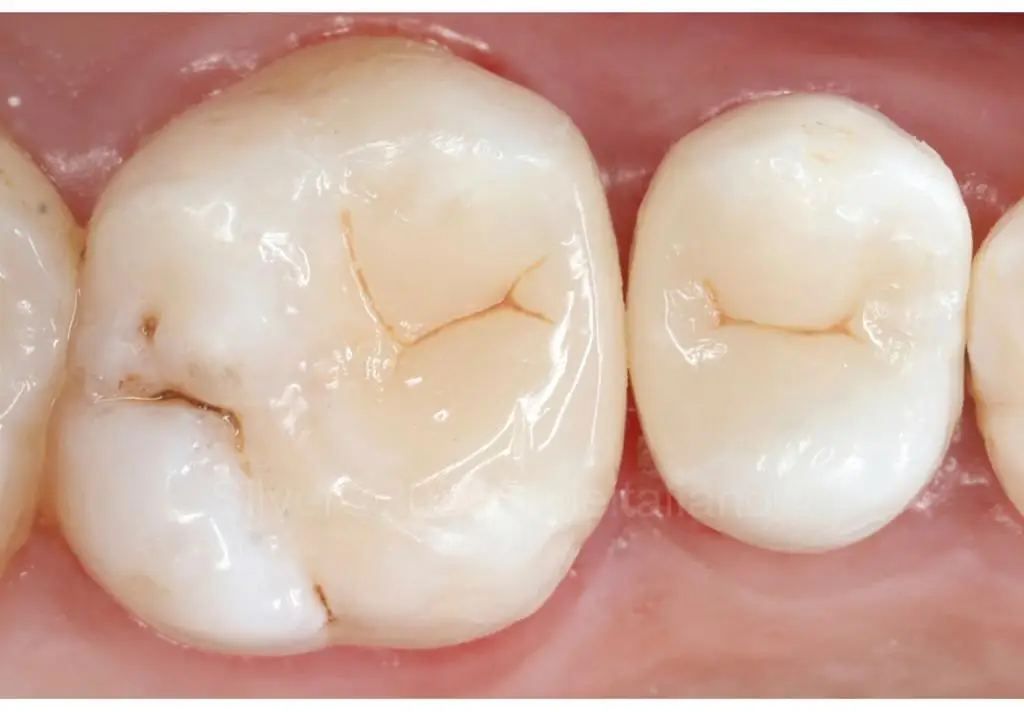
A dental operating microscope can magnify the tooth’s interior up to 25 times. This lets Dr. Shetty see canal anatomy that’s completely invisible to the naked eye — including extra or curved canals that are a common cause of root canal failure when missed. Greater visibility means:
- More complete removal of infected or inflamed tissue
- Less guesswork, which translates to a gentler, more controlled procedure
- A tighter, more precise filling (obturation) that reduces the chance of reinfection
- Less invasive treatment, since the doctor only removes what truly needs to go, preserving healthy tooth structure
In short: the microscope doesn’t just make the procedure more accurate — it directly reduces the trauma to the tooth and surrounding tissue, which is a major factor in how much discomfort you feel afterward.
2. Finer Needles & Modern Anesthesia
A large part of the anxiety around root canals comes from the injection, not the treatment itself. At Redefine Dental Clinic, we use:
- Finer-gauge needles that minimize the sensation of the injection itself
- Topical numbing applied to the gum before the injection, so the needle prick is barely felt
- Slow, controlled anesthetic delivery, which is gentler on the tissue than a rapid injection and improves how completely the area numbs
- Modern local anesthetic protocols, tailored to the tooth being treated, so the area is fully numb before any instrumentation begins
The goal is simple: by the time the actual root canal cleaning starts, you should feel pressure at most — not pain.
3. Single-Sitting RCT
With modern rotary instruments and microscope guidance, many root canal cases that once required multiple visits can now be completed in a single sitting. Fewer appointments mean less cumulative anxiety, less time off work, and a shorter overall recovery window.
4. Post-Treatment Care
Mild soreness for a day or two after a root canal is normal and expected — it’s a sign of healing, not failure. Depending on your case, Dr. Shetty may prescribe anti-inflammatory medication or simple home-care instructions to keep you comfortable while the tooth settles. Patients are also given clear guidance on what’s normal versus what warrants a follow-up call.
Who Needs a Root Canal?
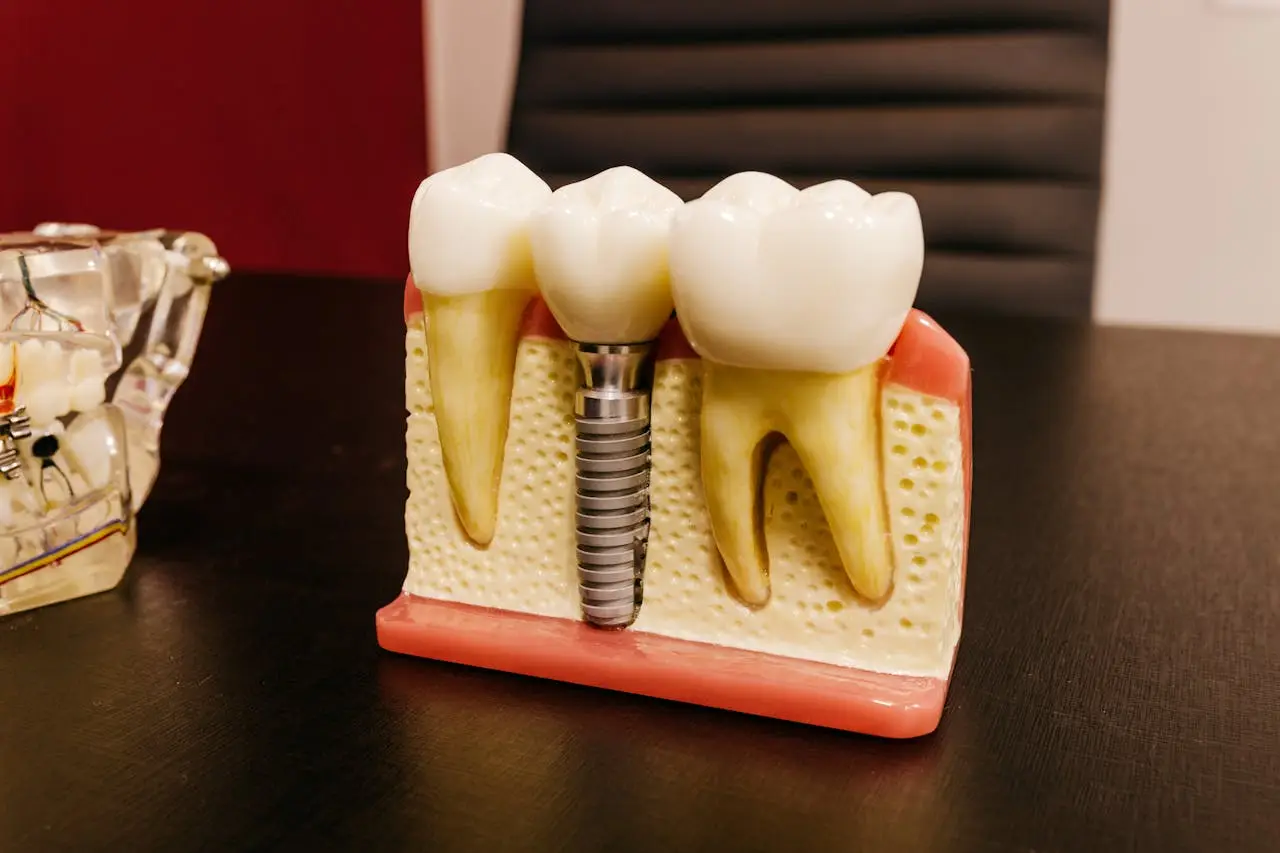
Root canal treatment is usually recommended when the innermost layer of the tooth (the pulp) becomes infected or inflamed due to:
- Deep decay that has reached the nerve
- A cracked or fractured tooth
- Repeated dental procedures on the same tooth
- Trauma or injury to the tooth, even without a visible crack
Common symptoms include lingering sensitivity to hot or cold, pain while chewing, a darkening tooth, or swelling and tenderness in the gums near a specific tooth. If you’re experiencing any of these, the sooner the tooth is evaluated, the simpler and more comfortable the treatment is likely to be.
Do You Always Need a Crown?
Not always. Whether a tooth needs a crown after root canal treatment depends on how much natural tooth structure remains and which tooth was treated. With microscope-guided, minimally invasive treatment, more of the original tooth is often preserved — which in some cases means a simple filling is enough, rather than a full crown. This is assessed case-by-case after treatment, based on the strength and structure of the remaining tooth.
Serving Kalyan & Nearby Areas
Redefine Dental Clinic is based in Kalyan and welcomes patients from across the wider Kalyan area for specialized, microscope-guided root canal treatment. Most patients seeking root canal care fall between their mid-20s and late 50s — an age range where deep decay, old fillings, or cracked teeth are most common. If you’ve been putting off a root canal out of fear, this is exactly the demographic our painless, modern approach is designed for.
FAQs
Is root canal treatment really painless?
With modern anesthesia, finer needles, and microscope-guided precision, most patients report feeling little to no pain during the procedure — often comparing it to getting a filling. You may feel mild pressure, but sharp pain is effectively eliminated through proper anesthesia.
Why is a root canal done under a microscope?
A microscope magnifies the inside of the tooth up to 25 times, allowing the dentist to locate every canal, remove infected tissue more thoroughly, and seal the tooth more precisely. This reduces the chances of missed infection, retreatment, and post-procedure discomfort.
How many visits does a root canal take?
Many cases can be completed in a single sitting using modern rotary instruments and microscope guidance, though more complex cases may require two visits for the best long-term outcome.
Will I need a crown after my root canal?
Not always. It depends on how much healthy tooth structure remains after treatment. Dr. Shetty will assess this after the procedure and recommend a crown only if it’s needed to protect the tooth long-term.
What should I expect after the procedure?
Mild soreness for a day or two is normal. Over-the-counter or prescribed anti-inflammatory medication, along with simple aftercare instructions, typically keeps this minimal and short-lived.
Who should I see for a root canal — a general dentist or a specialist?
For more complex cases, or simply for greater precision and comfort, a dentist with focused training in microendodontics — like Dr. Gautam Shetty, who has practiced exclusively in microscope-guided microdentistry since 2022 — can offer a more thorough, less invasive treatment experience.
I’m anxious about needles. What can be done?
Topical numbing gel applied before the injection, combined with finer needles and slow, controlled anesthetic delivery, significantly reduces the sensation of the injection itself. Let your dentist know about your anxiety beforehand — additional comfort measures can be discussed.
About Dr. Gautam Shetty
Dr. Gautam Shetty is an MDS (Master of Dental Surgery), graduating in 2011, with 15+ years of clinical experience. Since 2022, he has practiced exclusively in microdentistry, specializing in microscope-guided root canal treatment (microendodontics) at Redefine Dental Clinic, Kalyan.
Book a Consultation
Reach out to Redefine Dental Clinic, Kalyan to schedule a consultation with Dr. Gautam Shetty and experience painless, microscope-guided root canal treatment for yourself.