Why a dental operating microscope changes root canal outcomes
f you search for a root canal specialist and the phrase “microscope endodontist” keeps coming up, it’s not marketing jargon. It’s describing a real, measurable difference in how a root canal is performed — and how likely it is to actually work.
Most people choosing a dentist for a root canal compare experience, reviews, maybe price. Very few ask what equipment will be used. That’s understandable — it’s not something patients are taught to look for. But among endodontists themselves, it’s one of the most consistent predictors of long-term success: whether the procedure was performed under magnification, or without it.
Root canal success isn’t really about skill alone
This might sound counterintuitive, but a highly skilled dentist working without magnification is still working with a fundamental limitation: the naked eye cannot resolve fine anatomical detail inside a tooth’s canal system. Skill determines what you do with what you can see. Magnification determines how much you can actually see in the first place.
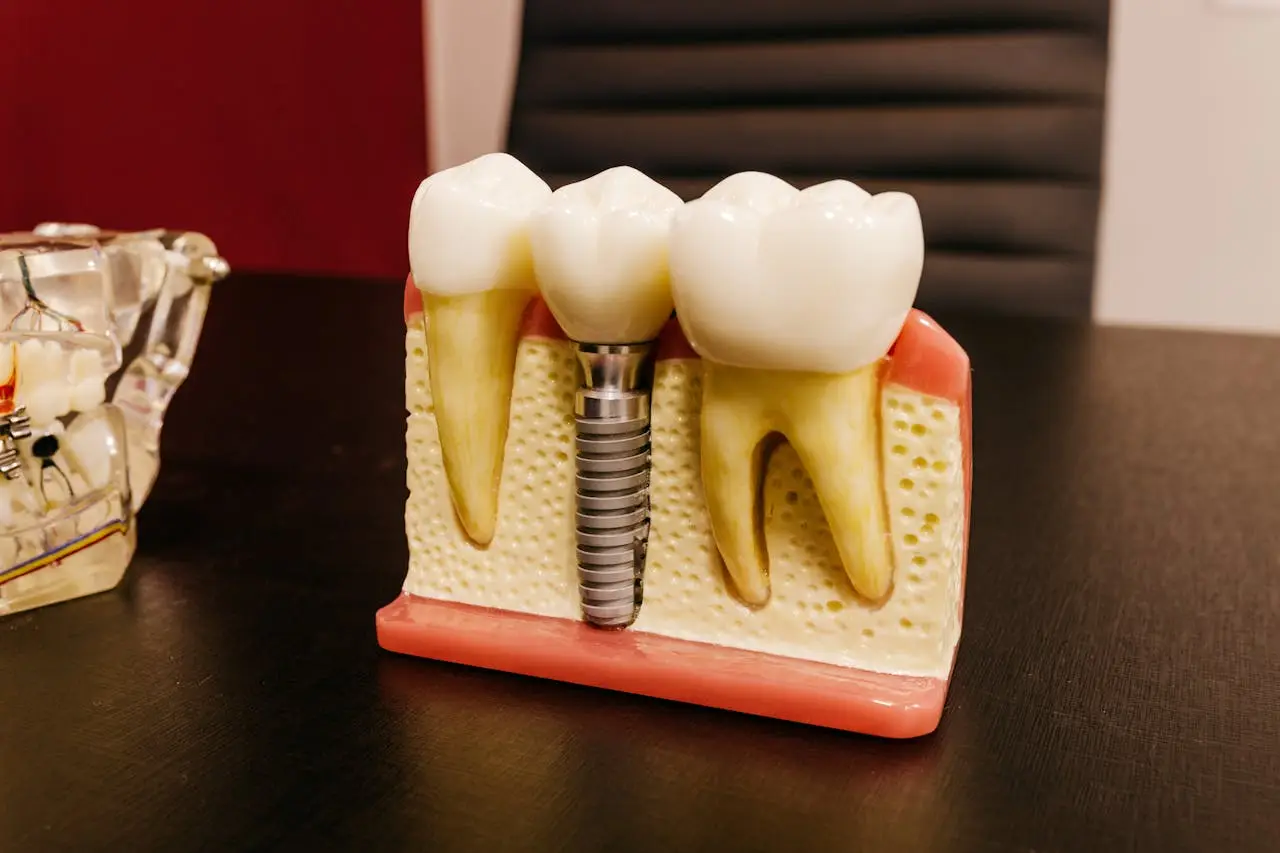
A root canal system inside a single tooth can include:
- Multiple canals per root, not just one
- Isthmuses — thin connecting corridors between two canals
- Canals that curve, narrow, or calcify with age
- Hairline fractures that change the entire treatment plan
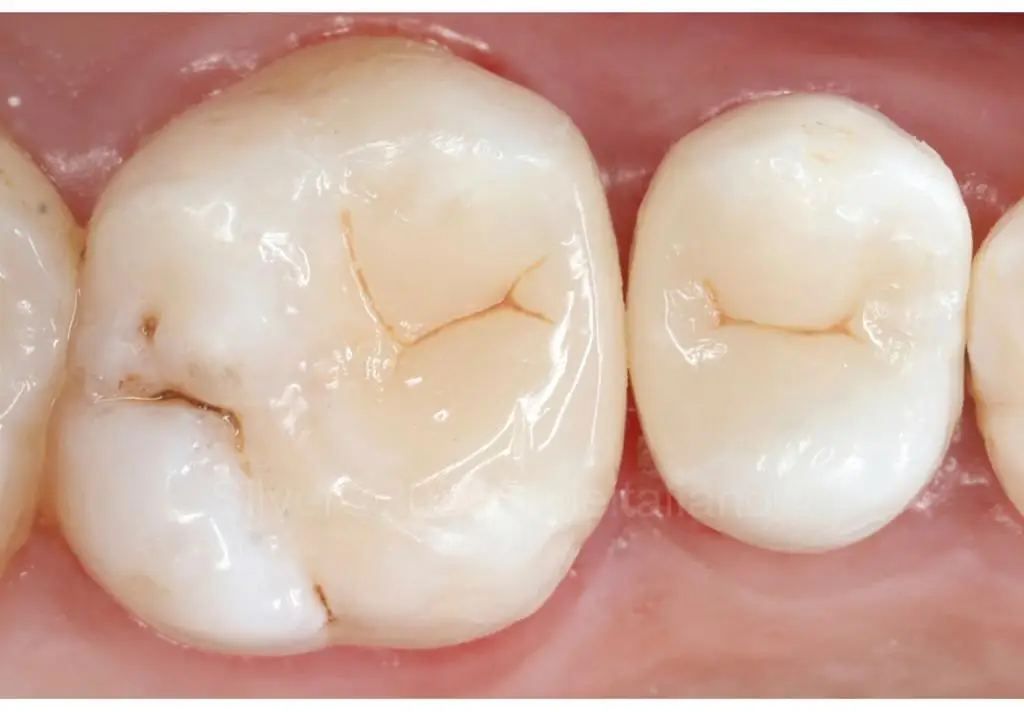
Every one of these can be the difference between a root canal that resolves the infection permanently and one that fails within a few years. Under a dental operating microscope with magnification up to 26×, these structures move from “invisible” to “identifiable.” That single shift changes everything downstream.
What “outcomes” actually means for a root canal
When endodontists talk about outcomes, they mean a few specific things:
Whether the infection is fully resolved. A canal that goes untreated because it wasn’t found continues to harbor bacteria, regardless of how well the visible canals were cleaned.
Whether the tooth stays functional long-term, not just pain-free for a few months. Many root canal failures don’t announce themselves immediately — they resurface years later as swelling, pain, or an abscess.
Whether retreatment or extraction becomes necessary. Every retreatment is harder than the original treatment: more time, higher cost, and lower success rates than doing it right the first time.
Magnification directly influences all three, because so many root canal failures trace back to the same root cause — anatomy that was present but not seen.
The full picture: magnification is one part of a system
A microscope on its own doesn’t guarantee a good outcome. It’s most effective as part of a complete clinical approach, which is why it’s rarely used in isolation by clinicians who take it seriously. At Redefine Dental Clinic, every root canal is performed with three things together, not one:
- Full-time dental operating microscope use — not occasional, not only for “complex” cases, but as the default standard for every root canal.
- Mandatory rubber dam isolation — a thin sheet that isolates the tooth from saliva and bacteria in the mouth during treatment, preventing recontamination mid-procedure.
- Bioceramic sealers — a modern sealing material chosen for its biocompatibility and long-term seal quality, rather than older materials that can shrink or degrade over time.
None of these compensate for the absence of the others. A microscope without isolation still risks contamination. Isolation without magnification still risks missed anatomy. The outcome depends on all three working together, case after case, not as an occasional upgrade.
Why this matters more for some cases than others
Not every root canal needs the same level of scrutiny. A single, straightforward canal in a front tooth is a very different case from a molar with a suspected extra canal, a tooth that’s already failed a previous root canal, or a case complicated by a crack.
Magnification matters most in exactly the cases where the stakes are highest:
- Retreatments — where the first attempt already missed something, and finding it the second time is critical
- Molars, which have the highest rate of additional, hard-to-find canals
- Calcified canals, common in older patients or teeth that have had trauma
- Cracked teeth, where the crack itself needs to be visualized to plan treatment at all
This is also where the gap between a general dentist and a specialist endodontist tends to be largest — not because of raw skill, but because of what equipment and training are built around handling exactly these harder cases.
What this looks like in practice
After 15+ years focused specifically on endodontics and more than 10,000 root canal treatments, the pattern is consistent: cases that would have been labeled “extract this tooth” under standard visibility often have a treatable path once they’re actually seen clearly. That’s the practical meaning behind the clinic’s approach — see what others miss, save what others extract isn’t a promise that every tooth can be saved, but a description of how many more options appear once the limitation of unaided vision is removed.
Frequently asked questions
Is a microscope endodontist more expensive than a regular dentist for a root canal?
Often, yes, reflecting both specialist training and the equipment and time involved. It’s worth asking what the fee includes — magnification, isolation, and sealer type — rather than comparing price alone.
Can any dentist call themselves a microscope endodontist?
Owning a microscope and using it consistently, case after case, are different things. It’s reasonable to ask directly whether magnification is used for every root canal or only selectively.
Does using a microscope mean the root canal will take longer?
Straightforward cases are often similar in length. Complex cases may take longer under magnification, but that extra time is typically what prevents the need for a second procedure later.
Is a specialist endodontist always better than a general dentist for a root canal?
Not automatically — many general dentists perform excellent root canals on straightforward cases. The gap tends to widen for retreatments, molars, calcified canals, and cracked teeth, where specialist training and magnification matter most.
How do I know if my root canal needs a specialist rather than a general dentist?
If it’s a retreatment, a molar with suspected extra canals, a previously failed root canal, or a tooth with a suspected crack, a specialist opinion is generally worth getting before proceeding.
Dr. Gautam Shetty is an MDS Endodontist and founder of Redefine Dental Clinic in Kalyan West, with 15+ years of post-specialist experience and 10,000+ root canal treatments performed under full-time dental operating microscope magnification. If a root canal has been recommended and you’d like a specialist opinion first, a second look under magnification often changes what’s possible.