A Modern Indian Parent’s Guide to Toddler Dental Care
By Dr. Gautam Shetty | Microscopic Endodontist | Redefine Dental Clinic, Kalyan West
Beyond Just Brushing
My daughter had just finished her glass of warm milk — the kind that she insists on every single night before sleep. The kind I remember having as a child myself. Comforting, familiar, completely harmless. Or so I had always assumed.
I carried her to bed, tucked her in, and was halfway out the door when a voice in my head — the dentist part of me, not the tired parent part — said: she didn’t brush after that milk.
I turned back. She was already half asleep, her little fingers curled under her chin. And I had a choice — the choice every Indian parent faces about a hundred times a week: let it go this once, or make the effort.
I made the effort that night. But what stayed with me wasn’t the brushing. It was the realisation that I had been operating on autopilot. And if I — someone who has spent 18 years studying and treating teeth — was letting these moments slip, what was happening in homes across Kalyan, across Mumbai, across India, where parents are doing their absolute best without the benefit of that background?
That question is why I’m writing this.
This isn’t a lecture. It isn’t a checklist of dos and don’ts. It’s a conversation — from one parent to another, with the honest perspective of a dental professional woven in. Because toddler dental care in today’s India is about so much more than just brushing twice a day.
Part One: Why Are Our Kids’ Teeth Under More Pressure Than Ever Before?
Let me ask you something. Think about your own childhood. Think about what your snack looked like at age four.
For most of us who grew up in urban India in the 1980s and 1990s, it was probably a banana. Or a roti with ghee and sugar. Or roasted chana from a paper cone. Or maybe a simple biscuit — the plain, slightly sweet kind that your grandmother kept in a steel dabba on the shelf.
Now look at what’s available to our children today.
The corner shop near my clinic in Kalyan West stocks over sixty different types of packaged snacks. Flavoured potato chips. Fruit gummies. Chocolate-coated biscuits. Juice pouches marketed with pictures of oranges and apples. Breakfast cereals dusted in sugar. Even the so-called ‘healthy’ options — the multigrain crackers, the oat cookies, the ragi bars — carry levels of refined sugar and sticky starch that would surprise most parents if they read the label carefully.
And here’s the thing: it’s not just about junk food. That’s the part we often miss.
The Hidden Sugar Problem in ‘Healthy’ Choices
Bournvita, Horlicks, Complan — the health drinks that sit in nearly every Indian middle-class home, the ones we stir into warm milk and feel good about — contain anywhere between 7 to 12 grams of sugar per serving. That’s before the milk. That’s before anything else.
Fruit juices — even the freshly squeezed kind, not just the packaged ones — are concentrated fructose without the protective fibre of whole fruit. A small glass of orange juice has roughly the same sugar content as a cola drink of the same volume. The difference is that we feel virtuous giving one and guilty giving the other.
Marie biscuits. The humble, unassuming Marie biscuit that every Indian household dips into chai. They’re low fat. They seem light. But they’re made almost entirely of refined flour and sugar — ingredients that bacteria in your child’s mouth absolutely love. And because they’re soft and starchy, they cling to teeth far more effectively than a piece of chocolate would.
I’m not saying ban any of these things. Please hear me clearly: I’m not. What I’m saying is that the landscape has changed, and our dental care habits haven’t caught up.
Our parents’ generation largely ate whole foods, with fewer in-between snacking occasions, and had less refined sugar in their daily diet. Despite imperfect dental hygiene — and brushing once a day with toothpowder was considered perfectly adequate — many of them had fewer cavities in childhood than our children do today.
Why? Because the frequency of acid attacks on teeth is determined not just by what you eat, but by how often you eat. Every time food enters the mouth — every single time — the bacteria that live on teeth produce acid. That acid begins softening tooth enamel within minutes. Saliva then works to neutralise it and remineralise the tooth, a process that takes about 30 to 45 minutes.
Now imagine your child having six to eight small snacking occasions a day — which is not unusual in a modern household. That’s six to eight rounds of acid attacks, each one followed by a window where teeth are vulnerable. The teeth simply don’t get enough recovery time.
So before we even talk about brushing technique and dental visits, this is the context we need to hold in mind.
Part Two: The Real Challenge Is Not the Child — It’s the Environment
When parents bring their toddlers to my clinic and we discuss cavities or early tooth decay, I often see a look of guilt cross their faces. They feel like they’ve failed somehow. Like they weren’t strict enough. Like they should have stopped the biscuit or the juice or the chocolate.
I want to gently push back on that framing.
Our children are not weak-willed or poorly disciplined. They are navigating an environment that has been specifically and commercially engineered to be irresistible. Bright packaging. Flavours designed in laboratories to hit the exact neurological pleasure points that make it very difficult to stop at one. Peer influence at school. Grandparents who express love through mithai and chocolates. Convenience foods because parents are exhausted and time is short.
This is not a moral failing. It’s a structural challenge.
And that changes how we should think about dental care.
More Stimulation, Fewer Routines
Today’s toddlers are also more stimulated than any previous generation. Screens, toys, social interactions, classes, activities — the sensory load is genuinely higher. And paradoxically, this makes routine harder to establish. When everything is interesting and changing, the sameness of brushing teeth can feel like a sudden full stop in an exciting film.
Add to this that toddlers between the ages of two and five are in what developmental psychologists call the autonomy-seeking phase. They want to make their own choices. They push back. Saying ‘brush your teeth now’ is almost guaranteed to produce resistance — not because your child is stubborn, but because they’re developmentally doing exactly what they should be doing.
Understanding this doesn’t make the nightly brushing battle disappear. But it does change our approach. We stop fighting the child and start designing around their nature.
Reframing the Goal
The goal of toddler dental care is not to discipline your child into compliance. The goal is to make oral hygiene such a natural, comfortable, and even enjoyable part of their daily environment that resistance doesn’t really have a foothold.
Dental care is not about discipline. It’s about designing the right environment for your child.
This distinction matters enormously. Discipline implies an external force compelling behaviour. Environment design means the behaviour becomes the path of least resistance.
I’ll show you what this looks like in practice in the next section.
Part Three: Practical, Realistic Dental Care for Toddlers — What Actually Works
Let’s get into the specifics now. Not the textbook version. The real version — the kind that accounts for the fact that your child is tired, you’re tired, dinner ran late, and there’s still homework to supervise.
When Should You Actually Start?
The short answer: before the teeth arrive.
Even before your baby’s first tooth erupts — typically around six months of age — you can gently wipe their gums with a clean, damp cloth after feeds. This isn’t strictly about preventing decay at this stage; there are no teeth yet. But it does two very important things. First, it removes milk residue and bacteria from the gum tissue. Second, and perhaps more importantly, it familiarises your baby with the sensation of having their mouth touched and cleaned.
This second point is underestimated.
Babies who have their gums wiped regularly from infancy tend to be significantly more accepting of toothbrushing once their teeth come in. You are essentially building a neural association: mouth cleaning = normal, routine, non-threatening. Starting this early is the single most powerful thing you can do to prevent the brushing battles that so many parents dread.
Once the first tooth appears, that’s when a soft-bristled infant toothbrush should enter the picture. Use a rice-grain-sized amount of fluoride toothpaste — yes, fluoride, even at this age, as current dental guidelines support its use from the first tooth. By age three, you can move to a pea-sized amount.
For toddlers aged two to six — the focus of this guide — twice-daily brushing is the standard: once after breakfast, once before sleep.
Nighttime Brushing: The One You Cannot Skip
If I could ask you to commit to just one thing after reading this, it would be: never let your child sleep without brushing.
Here’s the physiology of why this matters so much. During the day, we swallow frequently, we produce saliva actively, and the natural self-cleaning mechanisms of the mouth are working reasonably well. At night, saliva production drops dramatically. The mouth becomes drier. Acid neutralisation slows. Bacteria that feed on sugar residues on teeth have an uninterrupted 8 to 10 hour window to produce acid and begin the process of demineralisation — the first stage of decay.
This is why the nighttime feed or glass of milk followed by sleep without brushing is such a significant risk. Milk contains lactose — a sugar. Warm milk coats the teeth. And then the saliva switches off and leaves the bacteria to their work.
I know it’s the hardest brush of the day. Your child is sleepy. You’re done. The sofa is calling. But this is the one that cannot move.
One practical tip: make brushing the very last thing before lights out, not just ‘part of bedtime.’ If milk or a final snack comes after brushing, the brushing is undone. The sequence should be: milk → brush → sleep. Not milk → story → brush → sleep, because that story often turns into a negotiation and the brushing quietly disappears.
Getting the Technique Right
For toddlers, the brushing technique you use matters less than the brushing technique you supervise. Most children under the age of seven or eight do not have the fine motor control to brush effectively on their own. Their small wrists cannot produce the movements needed to clean all tooth surfaces adequately.
What this means in practice: you need to be involved. Not observing from the doorway. Actually holding the brush, or holding the child’s hand on the brush, or doing it for them.
Here’s a simple method that works well for toddlers:
- Stand behind your child, tilt their head back gently against your body, and hold the brush yourself. This gives you visibility and control.
- Use a small-headed, soft-bristled brush. Electric brushes are excellent for toddlers — the oscillating motion is effective and children often find them more fun.
- Brush in small, gentle circular motions along the gumline. The gumline is where food debris and bacteria accumulate most.
- Cover all surfaces: the outer surfaces (facing the lips and cheeks), the inner surfaces (facing the tongue), and the chewing surfaces.
- Two minutes total. Set a timer on your phone or use one of the many free brushing timer apps designed for children. Two minutes feels long when you’re doing it and short when you’re imagining it — the timer keeps both of you honest.
- After brushing, spit — don’t rinse. Leaving a trace of fluoride toothpaste on the teeth for a few minutes after brushing significantly enhances its protective effect. This is a simple, free upgrade to your routine that most families aren’t doing.
A note on toothpaste: there are now dozens of children’s toothpastes in Indian supermarkets, many of which are marketed heavily with cartoon characters and bubble-gum flavours. Some of these are fluoride-free, marketed as ‘natural’ or ‘safe to swallow.’ Be careful here. Fluoride is what gives toothpaste its cavity-fighting power. A toothpaste without fluoride is essentially flavoured paste. Ask your dentist for a specific recommendation if you’re unsure.
Making It Fun: The Real Tricks
I won’t pretend that brushing is thrilling. But there are things that genuinely help with toddlers:
- Let them choose their toothbrush. This sounds trivial. It is not. When a child picks the purple dinosaur toothbrush themselves, they are invested in it. They want to use it. Choice creates ownership.
- Brush together. Children between two and five are in a powerful mimicry phase. If they see you brush, they want to brush. Make it a shared activity — you brush, they brush, same time, same place.
- Use a song or story. There are short brushing songs on YouTube specifically designed for Indian children. Two minutes to a familiar song turns the timer from a countdown into a dance party.
- Give the process a name. In our house, we call it ‘the sugar bug fight.’ Completely unscientific as presented to a four-year-old, but she finds it genuinely motivating. The sugar bugs are the enemy. The toothbrush is the weapon. She takes the mission seriously.
- Praise effort, not outcome. ‘You did such a good job letting me brush your teeth!’ rather than ‘See, that wasn’t so hard, was it?’ The first celebrates the child; the second subtly suggests there was something to be scared of.
- Never threaten with the dentist. This is a hard one, because the instinct is to say ‘if you don’t brush, you’ll have to go to the dentist and it will hurt.’ Please don’t. Every time we use the dental visit as a threat, we make it harder for children to sit calmly in a dental chair — which means we make every future dental procedure more difficult, more frightening, and more painful for the child. The dentist should be a friendly, routine stop, not a consequence.
Diet: A More Realistic Approach Than ‘Just Cut the Sugar’
Complete sugar elimination is neither realistic nor necessary. What matters more is how sugar is consumed rather than whether it is consumed.
A piece of chocolate after a full meal, followed by water and brushing at bedtime, is significantly less damaging than a biscuit nibbled slowly over an hour in front of the television. Why? Because the concentrated occasion of sugar exposure gives the teeth one acid attack followed by a long recovery period. The slow, frequent nibbling gives the teeth constant, low-grade acid exposure with no recovery time.
Some practical shifts that are realistic for Indian families:
- Consolidate snacking. Instead of grazing throughout the day, try to create two defined snack times: one in the morning and one in the afternoon. Teeth get recovery time between exposures.
- Finish with water. After any food or drink, follow with a few sips of water. This rinses residues and helps the mouth return to a neutral pH more quickly.
- Be thoughtful about sticky foods. Sticky foods — toffees, fruit gummies, caramel, even dried fruit like kishmish — cling to tooth surfaces and dissolve slowly over time. They produce a prolonged acid exposure. They’re not off-limits, but they’re best consumed as part of a meal rather than as a standalone snack.
- Read labels on health drinks. If your child has a Bournvita or similar drink, count that sugar into their day’s total. Consider reducing the quantity of powder used. Pair it with a meal rather than making it a standalone drink.
- Fresh fruit over fruit juice. Whole fruit has fibre that buffers the sugar and slows its contact with teeth. Juice removes that protection. Where possible, offer the fruit rather than the juice.
None of this requires perfect execution every day. It’s about moving the overall pattern in a healthier direction — not achieving some impossible standard of dental purity.
The First Dental Visit: Earlier Than You Think
In India, most parents bring their child to a dentist for the first time when there is already a problem — a tooth that’s hurting, a black spot that’s visible, a child who keeps complaining about sensitivity to sweets.
By that point, we’re treating decay that has often been progressing for months.
The international standard is that a child should have their first dental visit by their first birthday, or within six months of the first tooth appearing. Even if you can’t meet that ideal, the goal should be a first visit sometime in the second year of life — and certainly before your child starts school.
Why so early? Because early dental visits serve multiple purposes that have nothing to do with drilling and filling:
- They allow the dentist to check developmental milestones — are the teeth erupting in the right sequence? Are there any early signs of crowding or bite issues that are far easier to address now than later?
- They allow the dentist to spot early decay when it can be managed with fluoride applications and dietary counselling rather than dental procedures.
- They familiarise the child with the dental environment — the chair, the lights, the instruments — in a non-threatening context. A child who has visited the dentist happily at age two for a ‘teeth check’ is a very different child from one who enters the dental chair at age five in pain, for the first time.
- They give parents a chance to ask questions and get personalised guidance for their child’s specific situation.
I understand that finding a child-friendly dentist in Kalyan or anywhere in the Mumbai region can feel daunting. Ask around. Ask other parents. Look for clinics that specifically see children and have experience making those early visits comfortable and positive. That investment of time and effort pays dividends for years.
Part Four: The Mindset Shift That Changes Everything
I want to come back to something I touched on earlier, because I think it deserves its own space.
A lot of dental parenting advice is framed around fear. The fear of pain. The fear of cavities. The fear of expensive treatment. The fear of failing as a parent. And fear, as a motivator, produces a very specific kind of parenting: anxious, reactive, punitive.
You’ve probably experienced some version of this. The frantic late-night brushing that’s more about your guilt than your child’s teeth. The threats and bribes. The tearful standoffs. The exhausted decision to just let it go tonight.
I’ve been there too. Both as a parent and as the dentist who sees the consequences.
The shift I want to encourage is from fear-based to understanding-based dental parenting.
Explain Rather Than Enforce
Even a three-year-old can understand a simplified version of why brushing matters. Not in technical terms — not acid demineralisation and Streptococcus mutans — but in terms that connect to their experience.
‘After you eat, little bugs called sugar bugs try to eat your teeth and make them hurt. Brushing cleans them away so your teeth stay strong and you can eat all your favourite foods without any ouch.’
Is this scientifically precise? No. Is it truthful in spirit? Yes. And more importantly — does it give the child a framework for understanding rather than just a rule to obey? Absolutely.
Children who understand why they’re doing something comply far more readily and far more sustainably than children who are simply told what to do. This is especially true for toddlers in the autonomy-seeking phase, where explanation triggers cooperation and command triggers rebellion.
Over time, as your child gets older, you can add more nuance to the explanation. By age five or six, many children can grasp the concept of teeth being permanent — that the adult teeth coming in will need to last for the rest of their lives. This is a genuinely motivating piece of information for older children who have started to understand the concept of ‘for always.’
Make Them a Partner, Not a Subject
Another shift that helps enormously: treating your child as a participant in their dental care rather than a passive subject of it.
Let them choose the toothbrush. Let them choose the flavour of toothpaste (within reason — fluoride always). Let them ‘check’ your teeth after you’ve brushed yours. Let them hold the timer. Let them name the sugar bugs.
When children have agency within a routine, they invest in it. They become advocates for it rather than resistors of it. I’ve had parents tell me that their four-year-old now reminds them to brush — because the child has taken ownership.
This is the goal. Not compliance that requires constant policing. But genuine habit formation that eventually becomes self-sustaining.
Consistency Over Perfection
Here is something I want to say clearly, as both a professional and a parent: you will not get this right every single night.
There will be nights when the milk gets drunk and the child falls asleep and you realise it at 11 PM and make a judgment call to let it go. There will be mornings when the bus is coming and brushing happens in a rush and probably only covers half the teeth it should.
This is okay.
What matters is the pattern, not the perfect execution. A child who brushes well six nights out of seven is in a dramatically better position than a child who brushes zero nights out of seven. The goal is a strong central tendency, not an unblemished record.
Give yourself grace. And give your child grace. The habits you’re building now are long-term investments, and like all investments, they compound over time — even when individual days don’t go to plan.
Part Five: A Moment That Made Me Stop and Think
A few months ago, a mother brought her five-year-old son to my clinic in Kalyan. Let’s call him Arjun. He had pain in two back teeth, and when I examined them, there was significant early decay in both.
His mother was mortified. She told me he brushed every day — twice a day, even. She showed me his toothbrush. She showed me the toothpaste. She’d been doing everything right, by the standard list.
But as we talked, the full picture emerged. Arjun drank two glasses of Horlicks a day — one in the morning, one before bed. The evening one was right before sleep, after brushing. He snacked on biscuits and khakra throughout the afternoon. And he didn’t like drinking water much — he preferred fruit juice when he was thirsty.
The brushing was happening. But the environment around the brushing was undoing it.
We didn’t need to lecture this mother. She was clearly dedicated. What she needed — and what I could actually give her — was a different lens through which to see her son’s dental health. Not ‘brushing: yes or no’ but ‘what is the overall acid load on Arjun’s teeth across the day?’
Once she saw it that way, the changes she made were small and targeted. Move the Horlicks to earlier in the evening. Swap some snack occasions for whole fruit or plain crackers. Introduce water more actively during the day. Ensure nighttime brushing happened after the Horlicks, not before.
Six months later, Arjun came back for a check-up. No new decay. His mother said he’d stopped waking up with the occasional tooth sensitivity that she hadn’t even mentioned the first time because she thought it was normal.
It wasn’t a dramatic intervention. It was just a clearer picture.
That is what I want to give you with this article.
Part Six: What Toddler Teeth Mean for the Rest of Their Life
There’s a common misconception I encounter regularly: baby teeth are temporary, so it doesn’t really matter if they decay or fall out early. They’re going to fall out anyway, right?
This is one of the most consequential misunderstandings in dental care for children.
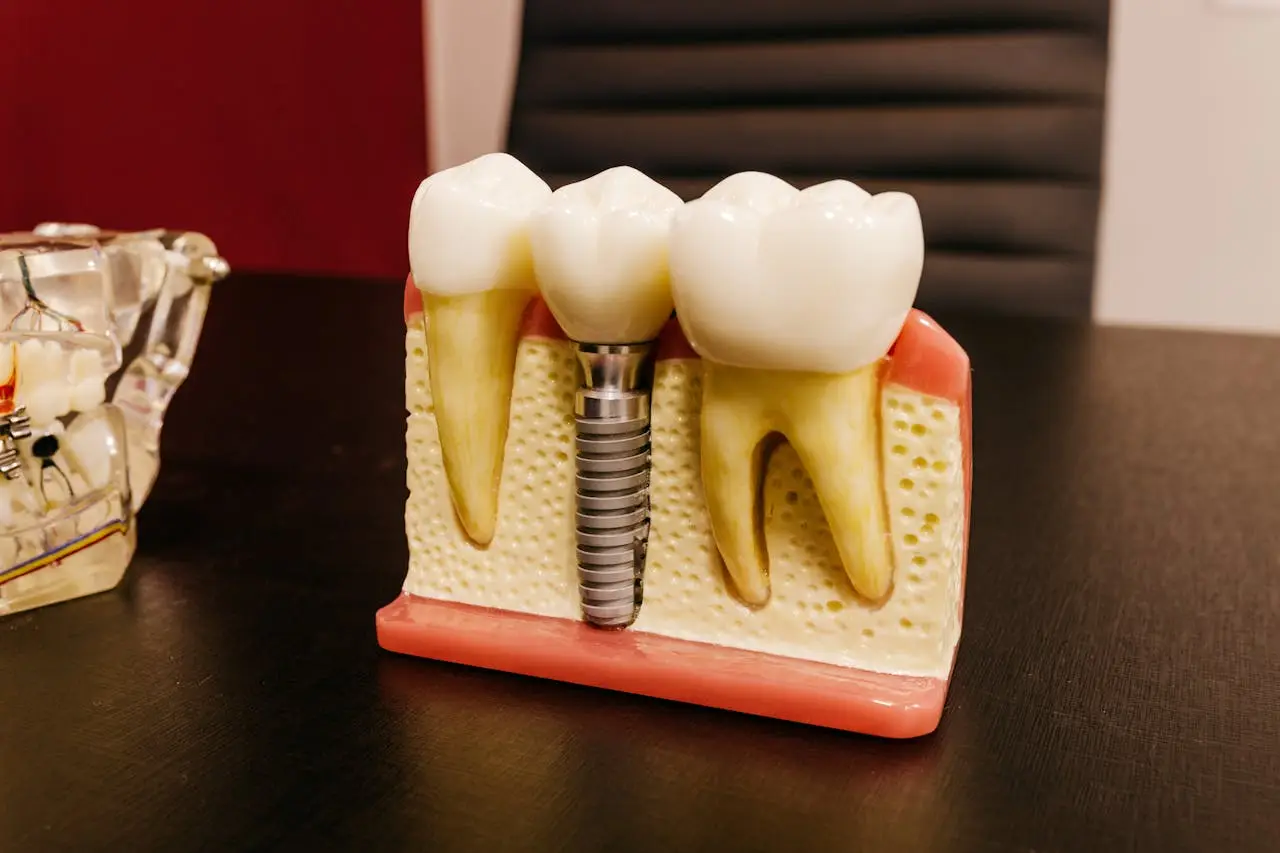
Baby teeth — the primary dentition — serve as spacers and guides for the permanent teeth developing beneath them. When a baby tooth is lost too early due to decay or extraction, the teeth on either side often drift into the empty space. This closes the gap that the permanent tooth needs to erupt into. The result is crowding, misalignment, and a permanent tooth that comes in sideways or gets stuck — problems that then require years of orthodontic treatment to correct.
The financial and emotional cost of early baby tooth loss, across the course of a childhood, can be enormous.
Beyond the structural consequences, there are developmental ones. A child with painful or decayed teeth:
- Eats differently — avoiding certain textures or temperatures — which can affect nutrition and growth.
- Speaks differently — early tooth loss can affect the development of certain sounds and speech patterns.
- Feels differently about themselves — this one is underappreciated. A child who is self-conscious about broken, blackened, or missing teeth is a child who smiles less, who holds back, who is teased on the playground. The confidence impact is real and it starts very young.
And then there’s the anxiety dimension. A child who has had a painful dental experience — especially an early one — can develop dental anxiety that persists for decades. I’ve treated adults in their forties who grip the armrests white-knuckled during a routine cleaning because of something that happened to them at age five. That association between the dental chair and fear, once formed, is very hard to break.
Every time we create a positive, routine, non-threatening dental visit for a small child, we are writing a different story in their nervous system. A story that says: dental care is normal, manageable, and not something to be afraid of. That story is worth enormously more than we give it credit for.
Part Seven: The India-Specific Context We Can’t Ignore
Much of the global dental health literature comes from Western contexts that don’t quite fit the lived reality of Indian families. Let me address some specific cultural and contextual factors that are unique to us.
The Grandparent Factor
In most Indian households — especially multigenerational ones — grandparents play a significant role in a toddler’s daily life. And grandparents, out of profound love, often express that love through food. Specific food. Sweet food. The mithai they’ve brought from the best shop in the neighbourhood. The chaklis fried fresh in the kitchen. The warm glass of milk with extra Bournvita because the child looks thin.
Navigating this with sensitivity is genuinely difficult. You don’t want to create family conflict. You don’t want to make your child feel that food from Nana’s hands is bad or shameful.
What often works better than restriction is timing. If Nana wants to give the chocolate, can it happen right after a meal rather than as a standalone late-night treat? If Dadu makes the halwa, can we make sure there’s water and brushing that follows? The love expression doesn’t have to stop. The context around it can shift.
Involving grandparents in the dental care narrative also helps. Grandparents who understand that early tooth health protects their grandchild from pain — from procedures that they themselves may have experienced and remember as unpleasant — are often very willing partners. Frame it as protection, not restriction.
Festival Seasons
Diwali. Holi. Dussehra. Eid. Christmas. India runs on festivals, and festivals run on sweets. The sugar load on children’s teeth during festival seasons can be significant — not just from the sweets themselves but from the constant social snacking across multiple households and celebrations.
This isn’t a reason to skip festivals. It’s a reason to be especially diligent about brushing during them, to ensure the water intake stays up, and perhaps to build in a dental check-up in January, after the festive season, to catch anything early that might have developed.
The Summer Vacation Routine Collapse
School term creates structure. Bedtimes are consistent, meals happen at regular times, and the brushing-before-school habit gets established by necessity.
Summer vacation destroys all of this.
Late nights. Irregular meals. Constant grazing because there’s nothing else to do. Increased screen time. Increased access to the kitchen. For many families, summer is when dental habits fall apart — and the consequences show up when school starts again.
I’m not suggesting a rigid summer schedule. But keeping the two anchor points — morning brush, nighttime brush — consistent through the holidays, regardless of how the rest of the day looks, prevents most of the seasonal damage.
Access to Dental Care in Tier 2 Cities and Beyond
For families in cities like Kalyan, Thane, Pune, Nashik, and beyond — access to high-quality, child-friendly dental care has improved significantly in recent years. But awareness hasn’t always kept pace.
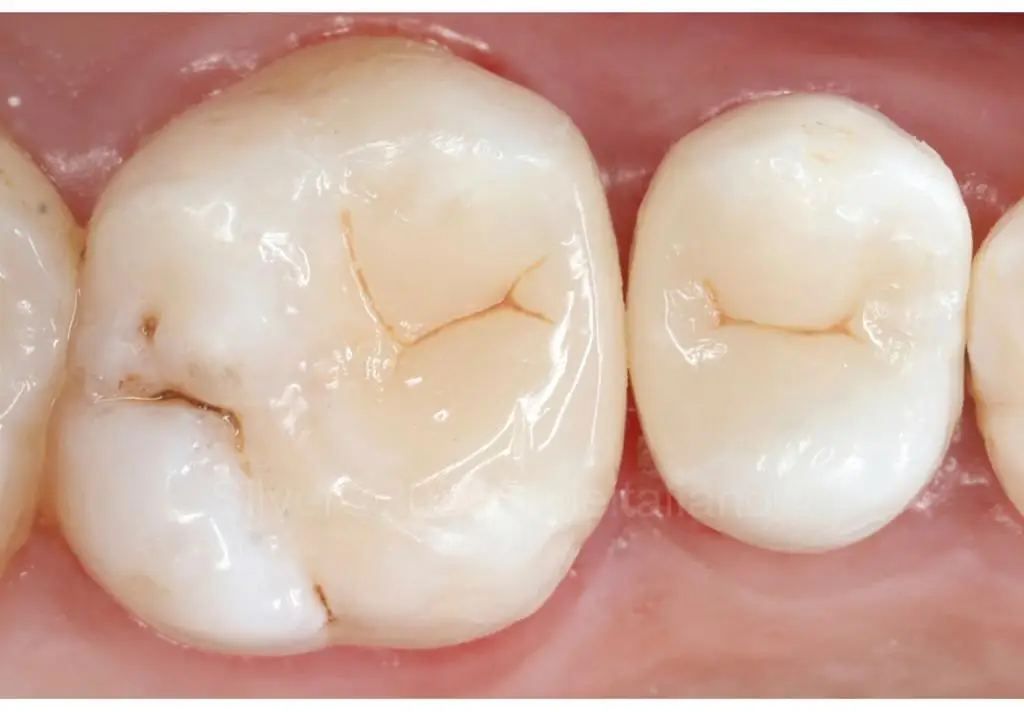
Many parents in my practice still tell me they had no idea a first dental visit could happen as early as age one. Many have never heard of fluoride varnish, which can be applied quickly and painlessly to a child’s teeth and provides months of cavity protection. Many weren’t aware that simple preventive measures like sealants can be placed on the chewing surfaces of back teeth to significantly reduce decay risk.
These are not expensive, complex interventions. They’re routine preventive steps that simply require the parent and dentist to be in the room together before the problem has started.
That’s really all it takes — showing up early, before there’s something to fix.
Closing: The Small Habit That Holds Everything
My daughter is four now. We’ve been through phases where brushing went smoothly and phases where it was a negotiation every single night. We’ve had nights where the milk was drunk and the brushing didn’t happen and I lay awake calculating the acid damage like only a dental professional’s anxiety can make you do.
But we’ve also built something quietly, over time. A routine that’s become normal to her. A child who knows what sugar bugs are and takes the job of fighting them seriously. A child who, last week, refused to go to sleep without brushing because — her words — ‘Amma, we forgot the sugar bugs.’
I didn’t teach her that through enforcement. I taught her that through explanation, through consistency, through making it part of the fabric of our evenings rather than an obligation to be negotiated. And through genuinely caring about it myself, not just professionally, but as her parent.
That’s what I want for your child too.
The stakes in toddler dental care are real — not just for the health of the teeth themselves, but for the confidence with which your child smiles, the comfort with which they eat, and the ease with which they’ll sit in a dental chair for the next forty years.
These aren’t dramatic outcomes. They’re quiet ones. The kind that accumulate in the background of a well-lived childhood, invisible until you realise — twenty years from now — that your child never needed braces, never had the filling anxiety you remember from your own childhood, and still brushes without being told.
That starts tonight. With two minutes, a small toothbrush, and the willingness to show up even when you’re tired.
You’ve already shown that willingness by reading this far.
Quick Reference: The Essential Toddler Dental Care Checklist
- Start gum wiping before the first tooth appears
- First dental visit: by age 1 or within 6 months of first tooth
- Brush twice daily — after breakfast and before sleep
- Parental supervision and assistance until age 7–8
- Use fluoride toothpaste — rice-grain size before age 3, pea-sized after
- Spit after brushing, don’t rinse immediately
- Nighttime milk must always be followed by brushing
- Consolidate snacking: defined occasions, not all-day grazing
- Always finish food occasions with water
- Never use the dentist as a threat
- Let your child choose their toothbrush
- Brush together — model the behaviour
- Consistency matters more than perfection
- Read labels on health drinks for sugar content
- Plan a post-festive-season dental check each year
Looking for a Dentist in Kalyan for Your Child?
If you are a parent in Kalyan, Kalyan West, or the broader Thane region and you have been looking for a trusted dentist in Kalyan for your toddler or young child, we would love to welcome your family to Redefine Dental Clinic. Our clinic, located in Kalyan West, Maharashtra, offers gentle, child-friendly dental consultations designed to make every visit positive from the very first appointment.
Dr. Gautam Shetty brings 18 years of clinical experience to every patient he sees — adults and children alike. As a Microscopic Endodontist practising Micro-Endodontics at 25x magnification, Dr. Shetty is one of the very few specialists in the Thane district offering this level of precision for root canal treatment. Whether your child needs a routine dental check-up, cavity treatment, fluoride application, or you yourself have been putting off a root canal (RCT) due to fear or past experiences — Redefine Dental Clinic in Kalyan West is equipped to help.
We see patients from Kalyan West, Kalyan East, Dombivli, Ambernath, Badlapur, Ulhasnagar, and across the Thane and Mumbai Metropolitan Region. Our services include painless root canal treatment (RCT), microscopic endodontic procedures, children’s dental care and pediatric dental consultations, preventive dentistry, oral hygiene counselling, dental check-ups, tooth decay treatment, baby teeth care, family dental care, and complete oral health management for all ages.
If this blog resonated with you — if you recognised your evening routine in these pages, or you realised it’s time to schedule that first dental visit for your toddler — reach out to us. We promise the same warmth and clarity you found here, in the clinic.
Book an appointment at Redefine Dental Clinic, Kalyan West — your trusted dental clinic in Kalyan for the whole family.
About the Author
Dr. Gautam Shetty is a Microscopic Endodontist with 18 years of clinical experience and the founder of Redefine Dental Clinic in Kalyan West, Maharashtra. He specialises in Micro-Endodontics using 25x magnification technology — one of very few practitioners offering this level of precision in the Thane region. He is also a parent, which he considers equally important to his clinical perspective.
📍 Redefine Dental Clinic | Kalyan West, Maharashtra