Microscopic Root Canal Treatment — Why It’s Done Right at Redefine Dental Clinic
Introduction: When a Toothache Refuses to Stay Silent
There is a particular kind of dental pain that is impossible to ignore. It wakes you up at 2 a.m. It throbs with every heartbeat. It makes eating, speaking, and sometimes even breathing feel like a test of endurance. If you have experienced this, you already know what it means — the nerve inside your tooth is under siege, and something needs to be done about it.
For most people in Kalyan, Dombivli, and the surrounding areas, the instinctive response is to search for the best dentist nearby who can make the pain stop. And somewhere in that search, the words “root canal” appear — often accompanied by anxiety, myths, and a flood of unanswered questions.
At Redefine Dental Clinic in Kalyan West, we understand that anxiety. We also understand that a root canal, done right, is not the frightening ordeal that popular culture makes it out to be. In fact, when performed with the right technology, the right protocol, and the right expertise, a root canal is one of the most elegant, pain-relieving procedures in all of modern dentistry.
This article is our comprehensive, honest explanation of everything you deserve to know about root canal treatment — what it is, why it is often misunderstood, and most importantly, why the approach we use at Redefine Dental Clinic is fundamentally different from the standard of care most clinics in Kalyan and beyond currently offer.
We will talk about the dental operating microscope. We will explain the rubber dam. We will discuss why having a dedicated Endodontist perform the procedure — rather than a general dentist — matters enormously. And through all of it, we will explain why Dr. Gautam Shetty and the team at Redefine Dental Clinic have built a reputation for root canal treatment that patients travel from across the Kalyan-Dombivli region to experience.
“A root canal done with precision, magnification, and care is not a procedure to fear. It is a procedure that gives your natural tooth a second life.” — Dr. Gautam Shetty
Understanding Root Canal Treatment: The Basics
What Exactly Is a Root Canal?
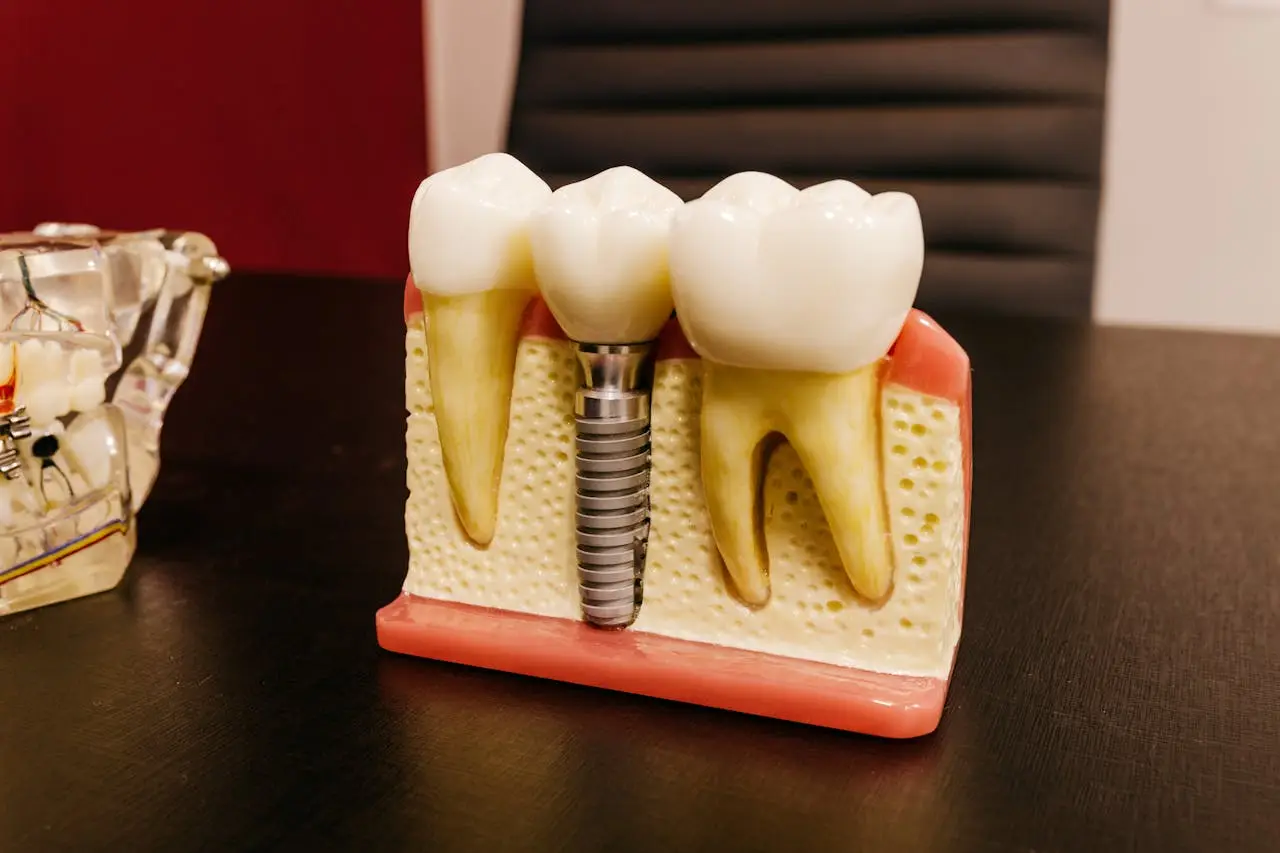
Before we talk about how we do it differently, it helps to understand what root canal treatment actually involves. Your tooth is not a solid piece of enamel and bone. Inside every tooth lies a soft, living tissue called the pulp — a collection of nerves, blood vessels, and connective tissue that helped form your tooth during development.
When decay, infection, a crack, or repeated dental procedures compromise the outer layers of the tooth, bacteria can reach this inner pulp. The pulp becomes inflamed, infected, or begins to die. This is the origin of that deep, unbearable toothache. Left untreated, the infection spreads beyond the tooth into the surrounding bone, forming an abscess, causing bone loss, and sometimes spreading systemically.
Root canal treatment — technically called endodontic therapy — is the procedure that removes this infected or inflamed pulp, thoroughly cleans and shapes the hollow canals inside the tooth roots, disinfects those canals, and seals them to prevent future infection. The tooth is then restored, typically with a crown, and it continues to function in your mouth for years or even decades.
In simple terms: root canal treatment saves a tooth that would otherwise be lost.
Why Does Root Canal Treatment Have Such a Fearsome Reputation?
Ask most people about root canals and they will wince. This reputation has roots (no pun intended) in decades-old dental history, when anesthesia was less effective, instruments were cruder, and the procedure was genuinely uncomfortable. Stories from parents and grandparents have calcified into a cultural myth that has little basis in modern dentistry.
Today, with modern local anesthetics, precise instrumentation, and skilled practitioners, a root canal should feel no more uncomfortable than getting a routine filling. Studies consistently show that patients who have actually had root canals rate the experience as no more painful than tooth extraction — and far less painful than the pre-treatment toothache that drove them to the dentist in the first place.
The pain associated with a root canal is not from the procedure. It is from the infection that made the procedure necessary. When that infection is addressed with care and expertise, the relief is dramatic and often immediate.
When Is Root Canal Treatment Necessary?
Not every toothache requires a root canal, but certain symptoms are strong indicators that the pulp is compromised and endodontic treatment is the appropriate solution. These include:
• Severe, spontaneous toothache that persists even without any stimulus
• Prolonged sensitivity to hot or cold that lingers for more than a few seconds after the stimulus is removed
• Darkening or discoloration of the tooth
• Swelling and tenderness in the nearby gums
• A persistent pimple-like bump on the gum (a dental sinus or fistula)
• Pain on biting or chewing
• A tooth that was traumatized by injury, even if it appears intact
• X-ray evidence of infection or bone loss around the root tip
If you are experiencing any of these symptoms, the most important thing you can do is seek care promptly. The longer an infection is allowed to progress, the more complex the treatment becomes — and the lower the likelihood of saving the tooth.
The Standard of Root Canal Treatment in Most Clinics — And Why It Falls Short
To appreciate what Redefine Dental Clinic offers, it is worth understanding what you typically get at most dental clinics in Kalyan and across India when you present for root canal treatment.
In the majority of general dental practices, root canal treatment is performed by a general dentist — someone trained in a broad range of dental procedures but not specifically specialised in endodontics. The procedure is typically done with the naked eye or, at best, with loupes (magnifying glasses that provide 2–4x magnification). Instruments are often conventional stainless steel hand files. Rarely is a rubber dam used. And the procedure is often squeezed between other appointments, completed in one or two visits with varying degrees of thoroughness.
This is not a criticism of general dentists as practitioners. They are skilled professionals doing their best with the training and tools available to them. But endodontics is a specialty. And like all specialties in medicine, it demands a level of focus, equipment, and training that goes far beyond the generalist’s toolkit.
Here is the clinical reality: root canals fail. Not always — but often enough that retreatment is a recognized procedure. The reasons for failure are almost always traceable to one or more of the following:
• Missed canals — teeth often have more canals than anticipated, and without proper magnification, these go untreated and continue to harbour bacteria
• Incomplete cleaning — the canal anatomy is complex, with curves, fins, and isthmuses that are impossible to fully visualise or clean without magnification
• Inadequate disinfection — without proper isolation and the right irrigants delivered effectively, bacteria persist
• Poor obturation — if the canals are not sealed completely to the correct length and density, reinfection is only a matter of time
• Contamination during the procedure — saliva contains billions of bacteria; without isolation, they continuously re-enter the canal
Each of these failure modes is directly addressable by the protocols we use at Redefine Dental Clinic. Let us explain how.
The Dental Operating Microscope: Seeing What Others Cannot
What Is the Dental Operating Microscope?
The dental operating microscope — commonly called the DOM or simply the dental microscope — is a piece of technology borrowed from microsurgery and adapted for use in dentistry. It provides continuous, high-powered magnification ranging from approximately 4x to 26x or higher, combined with a co-axial light source that illuminates the surgical field from exactly the same angle as the operator’s line of sight.
In practical terms, what this means is that Dr. Gautam Shetty can see the interior of your root canal system with a level of clarity and detail that is simply not possible with the naked eye or even with loupes. He can identify canal orifices that would otherwise be missed. He can detect cracks invisible to the naked eye. He can follow the precise curvature of a canal and instrument it safely. He can verify that every cubic millimetre of the canal has been cleaned and shaped appropriately. And he can confirm the final seal with a level of certainty that is impossible without this technology.
Why Does Magnification Matter So Much in Root Canal Treatment?
Consider the anatomy of a molar tooth. A lower first molar — one of the most commonly treated teeth — typically has two roots. The mesial root almost always has two canals running through it, and these canals frequently merge, bifurcate, and reunite in patterns that vary from patient to patient. The distal root often has one canal, but frequently has two. In some patients, there is an additional root altogether.
Without magnification, a dentist working from textbook averages may locate two or three canals and consider the job done. With the microscope, Dr. Shetty can identify all existing canals with certainty — because he can actually see them, illuminated clearly against the pulp chamber floor. Studies published in the Journal of Endodontics have shown that the use of the operating microscope significantly increases canal detection rates, particularly for fourth canals in upper first molars and for additional canals in lower molars.
Beyond canal detection, magnification serves other critical functions:
Crack Detection
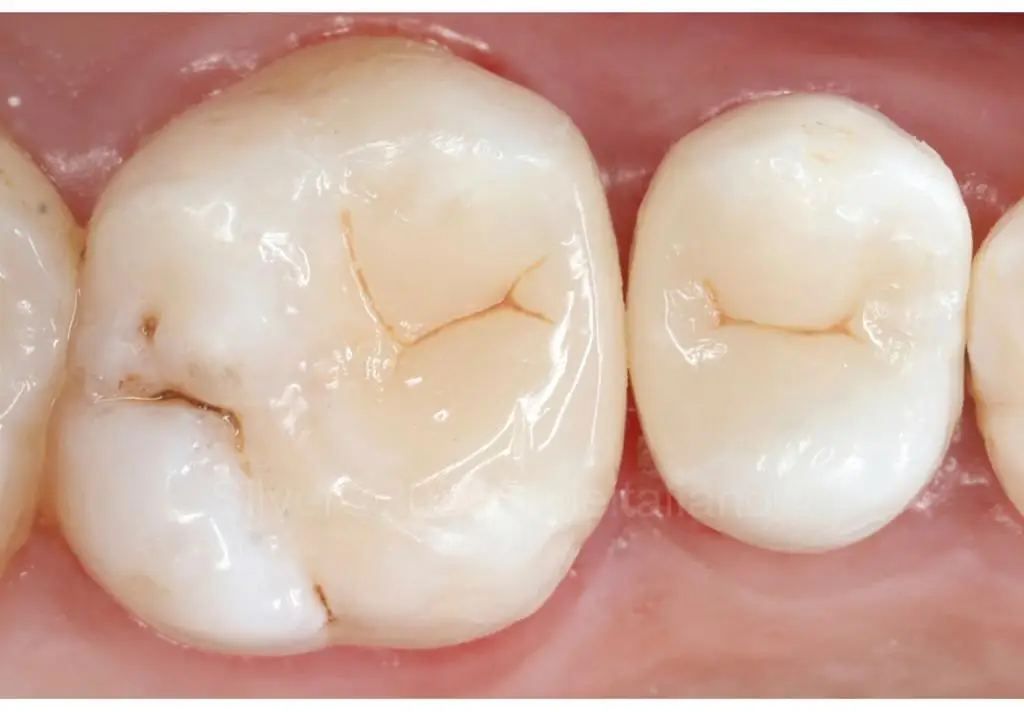
Longitudinal cracks in teeth are notoriously difficult to diagnose and are a significant cause of unexplained pain and eventual tooth loss. Under the microscope, these cracks become visible — allowing for better diagnosis, prognosis communication, and treatment planning.
Precise Instrumentation
Root canals curve. They taper. They sometimes divide and rejoin. Navigating this anatomy safely — without perforation, without ledging, without breaking instruments inside the canal — requires an ability to see exactly where you are at every moment. The microscope provides exactly this guidance.
Verified Cleaning
At Redefine Dental Clinic, every step of the cleaning and shaping process is performed under direct magnified vision. Dr. Shetty does not estimate whether a surface is clean — he verifies it visually, supplemented by ultrasonics and appropriate irrigant activation protocols.
Confident Final Obturation
The final sealing of the root canal system is perhaps the most technically demanding step of the procedure. Achieving a three-dimensional seal that prevents microleakage requires placing material precisely, at the correct working length, with consistent density. Under the microscope, this step is performed with a level of precision that dramatically reduces the risk of failure.
The Global Standard — Still Rare in India
In the United States, the American Association of Endodontists recommends the use of the dental operating microscope as the standard of care for endodontic practice. Endodontists practicing in North America, Western Europe, Australia, and parts of East Asia routinely use microscopes for every root canal procedure.
In India, the reality is starkly different. Dental operating microscopes are expensive — a quality instrument costs anywhere from ₹10 to ₹40 lakhs. They require dedicated setup, training, and significant adaptation of one’s clinical technique. The result is that they remain absent from the vast majority of Indian dental clinics, including most clinics in metro cities, let alone in semi-urban areas like Kalyan.
At Redefine Dental Clinic, Dr. Gautam Shetty has made the deliberate, significant investment in this technology — not as a marketing tool, but as a clinical commitment. Because he has seen, firsthand, the difference it makes. The canals that would have been missed. The cracks that would have been overlooked. The cases that would have failed and required retreatment or extraction. The microscope does not make root canal treatment fancier. It makes it better. Fundamentally, measurably better.
“Under the microscope, dentistry becomes a different discipline entirely. You stop guessing and start knowing.” — Dr. Gautam Shetty
What to Expect at Redefine Dental Clinic: Your Root Canal, Step by Step
We believe informed patients are confident patients. Here is a detailed walkthrough of what your root canal treatment at Redefine Dental Clinic actually looks like:
Step 1: Comprehensive Consultation and Diagnosis
Your journey begins not with a drill, but with a conversation. Dr. Shetty takes time to understand your symptoms, their onset, their nature, and their history. He performs a systematic clinical examination of the tooth and its neighbours, using percussion testing, palpation, and pulp sensitivity testing to assess the status of the dental pulp. Where indicated, he will request a periapical X-ray or CBCT scan to evaluate the root anatomy, the extent of infection, and the surrounding bone. Only after this thorough assessment does he discuss a diagnosis and treatment plan with you — in language that is clear, honest, and free of unnecessary jargon.
Step 2: Pre-Treatment Planning
Using the diagnostic imaging, Dr. Shetty maps the root canal anatomy of your specific tooth before picking up an instrument. He identifies the number of roots, the likely number of canals, the curvature and estimated length of each canal, and any anatomical features that may require specific instrumentation choices. This pre-treatment planning is the foundation of a predictable, complication-free procedure.
Step 3: Profound Local Anesthesia
Effective anesthesia is non-negotiable at Redefine Dental Clinic. Dr. Shetty uses modern local anesthetic formulations and evidence-based injection techniques to ensure that the tooth and surrounding tissue are completely numb before any instrumentation begins. For teeth with irreversible pulpitis — where the inflamed, hypersensitised pulp can resist standard anesthesia — supplementary techniques including intraligamentary and intraosseous anesthesia are employed to achieve profound numbness. The procedure does not begin until both the clinician and the patient are confident that anesthesia is complete.
Step 4: Rubber Dam Placement
A rubber dam is placed on every patient, without exception. This takes only a few minutes but establishes the clean, isolated, safe operating field that all subsequent steps depend upon. Patients are always informed about the rubber dam and its purpose, and almost universally find the experience more comfortable than they anticipated.
Step 5: Access Preparation
Under microscope magnification, an access cavity is created through the crown of the tooth to reach the pulp chamber beneath. This access is designed to be as conservative as possible — preserving tooth structure — while providing adequate visibility and instrument access to all canal orifices. Under the microscope, the pulp chamber floor is examined carefully for all canal openings, including any that might be unexpected based on standard anatomy.
Step 6: Canal Exploration and Working Length Determination
Each canal is carefully explored with fine, flexible instruments. An electronic apex locator — a device that uses electrical resistance to accurately determine the length of the canal — is used in conjunction with radiographic verification to establish precise working lengths. This prevents over-instrumentation beyond the apex (which can cause unnecessary pain and perforation of the root tip) and under-instrumentation (which leaves infected tissue behind).
Step 7: Cleaning, Shaping, and Disinfection
This is the heart of the root canal procedure, and it is where the combination of microscope use and endodontic expertise makes the greatest difference. Dr. Shetty uses nickel-titanium rotary or reciprocating instrumentation systems — chosen based on the specific anatomy of the tooth — to shape the canal precisely while preserving dentin. Between each instrument, the canal is irrigated with sodium hypochlorite, which dissolves organic tissue and kills bacteria. Additional irrigants, including EDTA, are used to remove the smear layer and expose the dentinal tubules, maximising disinfection. Ultrasonic activation of the irrigants is used to drive the disinfecting solution into areas that passive irrigation cannot reach.
Step 8: Three-Dimensional Obturation
Once the canal system is cleaned, shaped, and verified under the microscope, it is sealed with gutta-percha (a biocompatible rubber material) and a biocompatible sealer using warm vertical compaction or a similar three-dimensional obturation technique. The goal is to fill every millimetre of the canal space — the main canals, their lateral branches, and their terminal anatomy — completely, densely, and with no voids. A post-obturation radiograph confirms the result before the patient leaves the chair.
Step 9: Coronal Restoration and Crown
The root canal itself is only part of the picture. A successfully treated tooth must be properly restored to function. At Redefine Dental Clinic, we advise on and coordinate the appropriate final restoration — typically a full coverage dental crown — to protect the treated tooth from fracture and ensure long-term survival. Studies consistently show that the single greatest predictor of root canal success is not the quality of the root canal itself, but whether the tooth receives appropriate coronal protection afterward.
Advanced Technology That Sets Redefine Dental Clinic Apart
CBCT Imaging — Three-Dimensional Clarity Before the First Instrument
Cone Beam Computed Tomography — CBCT — provides three-dimensional imaging of the tooth and surrounding structures at a fraction of the radiation dose of medical CT scanning. In endodontics, CBCT is invaluable for identifying additional canals not visible on conventional X-rays, assessing the true three-dimensional extent of periapical infection, evaluating root fractures, and planning complex retreatment cases. When Dr. Shetty recommends a CBCT scan, it is always for a clinically justified reason — the additional information it provides changes the treatment approach in ways that improve outcomes.
Nickel-Titanium Rotary Instrumentation
Gone are the days of manually filing root canals with rigid stainless steel hand files for 45 minutes. Modern nickel-titanium rotary instruments are flexible, precise, and designed to follow the natural curvature of the canal without straightening it or creating ledges. They reduce treatment time, improve the quality of canal shaping, and are significantly more predictable in curved canals than their predecessors. At Redefine Dental Clinic, premium rotary systems are used as the standard — not the exception.
Electronic Apex Locators — Accuracy Over Guesswork
Determining working length — the exact depth to which the canal should be instrumented and filled — was once entirely dependent on radiographic interpretation, which is inherently two-dimensional and imprecise. Electronic apex locators use electrical resistance to pinpoint the apical foramen with a high degree of accuracy, even in curved or calcified canals and even in patients with different tissue hydration levels. Used alongside radiographic confirmation, they eliminate working length guesswork and dramatically reduce the risk of over- or under-treatment.
Ultrasonic Activation of Irrigants
One of the most significant advances in endodontic disinfection over the past decade has been the ultrasonic or sonic activation of irrigating solutions within the canal. When sodium hypochlorite is placed in a canal and subjected to ultrasonic energy, it is driven into dentinal tubules, lateral canals, and anatomical isthmuses that passive irrigation simply cannot reach. This significantly enhances the disinfection of the canal system — reducing bacterial load and improving the long-term prognosis of the treated tooth.
The Redefine Dental Clinic Difference: A Summary
We have covered a great deal of clinical and technical ground in this article. Let us bring it together in a direct comparison. When you choose Redefine Dental Clinic for your root canal treatment, here is what you receive — and how it compares to the typical standard:
Specialist vs. Generalist
At Redefine: Your root canal is performed exclusively by Dr. Gautam Shetty, MDS Endodontics — a postgraduate specialist in endodontics. At most clinics: Root canals are performed by general dentists with undergraduate-level training in the procedure.
Magnification
At Redefine: Every root canal is performed under the dental operating microscope, providing up to 26x magnification with co-axial illumination. At most clinics: Treatment is performed with the naked eye or 2–4x loupes.
Isolation
At Redefine: Rubber dam isolation is used without exception on every patient. At most clinics: Rubber dam use is the minority practice in India; most clinics do not routinely use it.
Instrumentation
At Redefine: Premium nickel-titanium rotary instrumentation, electronic apex locators, and ultrasonic irrigant activation are standard. At most clinics: Instrumentation varies widely; hand filing remains common; apex locators are not universal.
Diagnosis
At Redefine: Comprehensive clinical and radiographic assessment, with CBCT when indicated, precedes every treatment decision. At most clinics: Diagnosis is typically based on symptoms and periapical X-ray alone.
Time and Attention
At Redefine: Appointments are structured to allow unhurried, thorough treatment. Dr. Shetty does not rush a root canal to fit it between other procedures. At most clinics: Root canals are often performed quickly between other appointments, compromising thoroughness.
The difference is not marginal. It is the difference between a procedure that meets minimum acceptable standards and a procedure designed to achieve the best possible long-term outcome for your specific tooth, in your specific anatomy, with your long-term health as the primary objective.
Serving Kalyan West, Kalyan East, Dombivli, and Beyond
Redefine Dental Clinic is located in Kalyan West — conveniently positioned to serve patients from across the Kalyan-Dombivli Municipal Corporation area, including Kalyan East, Dombivli, Titwala, Ambernath, Ulhasnagar, and the surrounding region.
We recognise that for many patients in this area, high-quality specialist dental care has historically meant a long commute to South Mumbai or Thane. One of the founding commitments of Redefine Dental Clinic is to bring that standard of care home — to make specialist endodontic treatment with microscope, rubber dam, and all the technology that accompanies world-class care accessible without the three-hour round trip.
Patients travel to us from across the region precisely because they have done their research. They have asked the right questions. And they have found that the answers — the microscope, the rubber dam, the specialist, the outcomes — all point to Redefine Dental Clinic.
Taking the Next Step: Your Root Canal at Redefine Dental Clinic
If you are currently experiencing tooth pain, sensitivity, swelling, or any of the symptoms described in this article, the single most important thing you can do is have it assessed promptly. Dental infections do not resolve on their own. They progress. And the sooner an appropriate diagnosis is made and treatment begins, the better the outcome for the tooth and for you.
At Redefine Dental Clinic, we make the consultation process as straightforward as possible. You can reach us to schedule an appointment, and we will assess your situation comprehensively, explain your options honestly, and — if root canal treatment is the right answer — perform it to the highest available standard.
You do not have to settle for a root canal performed blind, without isolation, by a generalist who treats it as one task among many. You deserve a root canal performed under magnification, with a sterile field, by a specialist for whom it is not merely a procedure but a discipline.
That is what Redefine Dental Clinic offers. That is what Dr. Gautam Shetty offers. And it is available to you — right here, in Kalyan.
Your natural tooth is irreplaceable. Give it the treatment it deserves.
Redefine Dental Clinic
Kalyan West, Maharashtra
Specialist Endodontics • Smile Makeovers • Dental Implants • Invisible Aligners • Pediatric Dentistry