Single Sitting or Multiple Sittings — Which Root Canal Is Actually Safer?
By Dr. Gautam Shetty, MDS Endodontist · Redefine Dental Clinic, Kalyan West
First, What Actually Happens During a Root Canal?
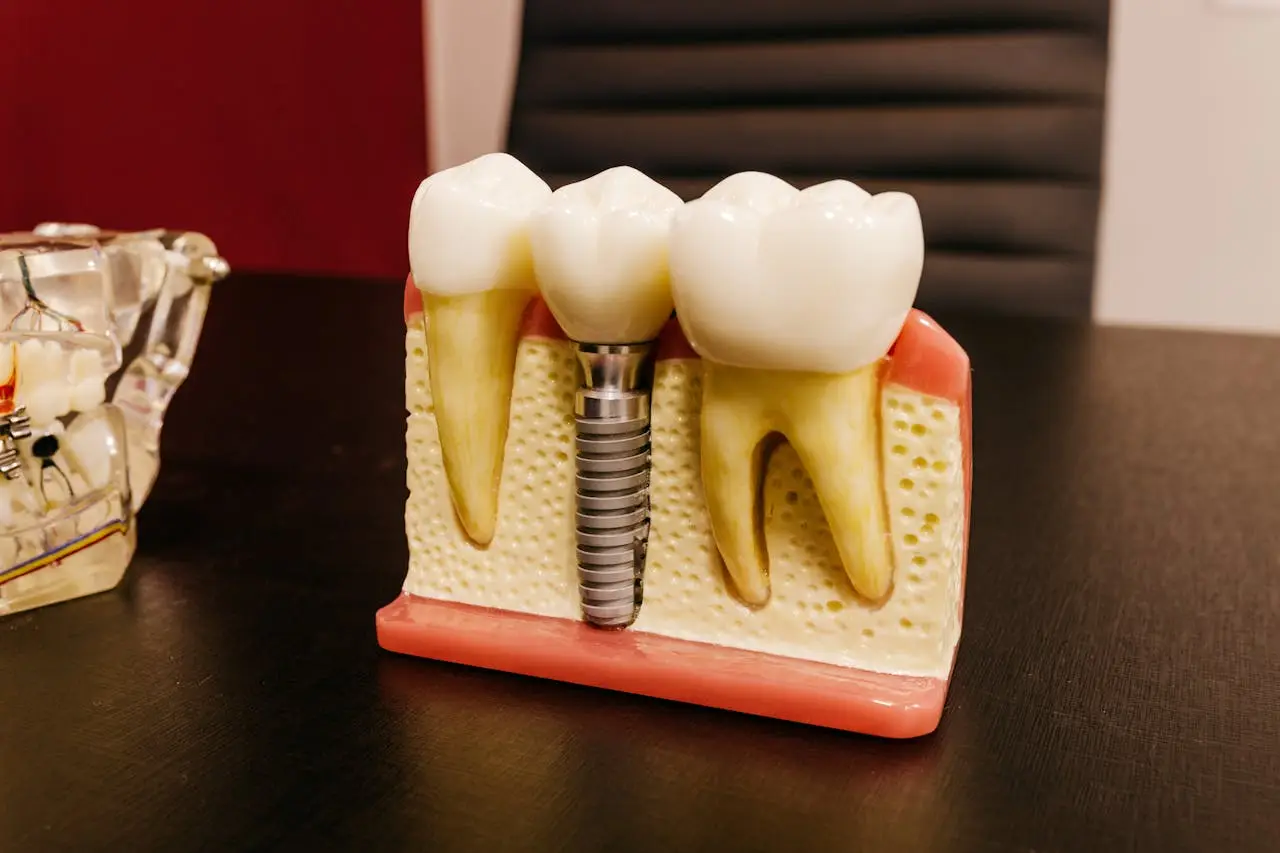
Most patients imagine a root canal as something that is done “to” a tooth. In reality, it is closer to surgery inside a tube the width of a human hair. The canals of a tooth — the hollow spaces where the nerve and blood vessels live — can be curved, branched, calcified, or divided in ways that are completely invisible to the naked eye.
The goal of a root canal is simple in principle: remove all infected tissue, clean and shape the canal, and seal it completely so bacteria cannot re-enter. Every single step of that process depends on one thing above everything else — can your dentist actually see what they are doing?
🔬 The Microscope Protocol at Redefine Dental Clinic
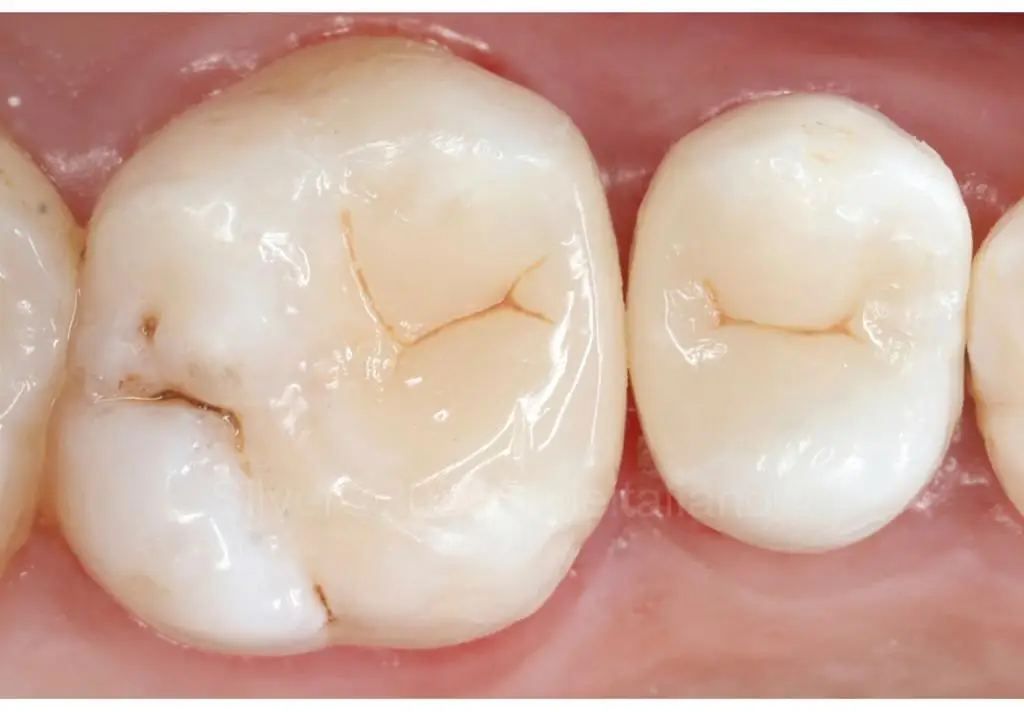
- 1Magnification up to 26×: Every root canal I perform is done under a Dental Operating Microscope. At this magnification, I can see calcified canals, hidden branches (MB2 canals), cracks, and missed anatomy that simply cannot be seen otherwise — not with loupes, not with an X-ray alone.
- 2Rubber dam isolation — always: This is non-negotiable in my clinic. The rubber dam creates a sterile field around the tooth, preventing saliva (which carries bacteria) from contaminating the canal during treatment. This single step dramatically reduces the risk of re-infection.
- 3Confirmed cleaning under vision: I do not assume a canal is clean. I verify it — visually, under magnification. This is what allows me to complete a case in one sitting without compromising on thoroughness.
- 4Bioceramic sealer: The final seal uses a bioceramic material that bonds to the dentinal walls and is biocompatible with the body — a far superior long-term seal compared to conventional materials.
So — Single Sitting or Multiple Sittings?
Here is the truth that most online articles will not tell you: the number of sittings is not the most important variable. The quality of what happens inside each sitting is.
A poorly executed single-sitting root canal is far more dangerous than a thorough two-sitting procedure. Equally, an unnecessarily stretched three-sitting procedure — where the canal is left open between visits without proper protection — carries its own risks.
The real question is: under what conditions is a single sitting genuinely safe?
| Factor | Single Sitting ✓ (with Microscope) | Multiple Sittings |
|---|---|---|
| Canal visibility | Full visual confirmation at 26× | May rely on X-rays and tactile feedback alone |
| Bacterial contamination risk | Minimised with rubber dam & same-day seal | Higher if tooth left open between visits |
| Patient time & travel | One visit — ideal for working professionals | 2–4 visits required over days/weeks |
| Risk of missed canals | Very low — microscope reveals hidden anatomy | Higher without magnification |
| When multiple visits are needed | Active abscess with swelling, complex retreatment | Appropriate for certain clinical situations |
| Seal quality | Bioceramic — superior bond, biocompatible | Depends on material and technique used |
Direct Answer
A single-sitting root canal performed under a dental operating microscope, with rubber dam isolation and bioceramic sealing, is safe and often preferable — provided there is no active spreading infection or swelling. Multiple sittings are clinically justified in specific cases such as severe abscess or complex retreatment. The microscope is what makes the difference — it eliminates the guesswork that makes single-sitting treatment risky in conventional settings.
your time is not a small thing.
When someone travels from Ambernath or Titwala or Thane to sit in my chair, they have planned around it, rearranged their day, sometimes taken leave they could not afford to take. The least I can do — the minimum standard of care — is use every tool available to me to complete that treatment thoroughly, in that one visit, without asking them to come back unnecessarily.
The microscope is not a luxury in my clinic. It is how I keep that promise.
When Multiple Sittings Are the Right Choice
I want to be honest with you here, because good dentistry is about honesty, not reassurance.
There are situations where I will ask a patient to come back for a second visit, and I make no apology for it:
Active Spreading Infection with Swelling
If there is pus, significant facial swelling, or a systemic infection, completing the root canal in one sitting carries real risk. In these cases, we manage the infection first — sometimes with drainage, always with antibiotics — and complete the canal once the acute phase has resolved. Rushing this is dangerous. I will never rush this.
Complex Retreatment Cases
Patients who come to me after a previously failed root canal often present with old filling materials, broken instruments, calcified canals, or perforations. These cases require more time, more microscope work, and occasionally an interim dressing. Two visits here is not a shortcut — it is the correct protocol.
Heavily Calcified Canals
Sometimes a tooth has been struggling silently for years, and the canal has narrowed significantly. Negotiating and cleaning such a canal thoroughly in one visit is possible under magnification, but if I feel that rushing the second half of treatment would compromise quality — we pause. The microscope gives me the information to make that call clearly, not guesswork.
A Note on Your Time
If I ask you to come back for a second visit, it is not because the treatment is complicated for me — it is because your tooth deserves more than being hurried through. I will always explain why. I will always tell you exactly what we accomplished in the first visit and what remains. You will never leave my chair without knowing precisely where you stand.
The Honest Comparison Most Dentists Won’t Give You
Across India, the majority of root canals are still performed without magnification, without rubber dam, and sometimes without a definitive canal length measurement. In that setting, multiple sittings are not just common — they are genuinely safer, because each visit allows the dentist to assess whether the previous steps were adequate.
Under a microscope, the picture changes. I can see whether the canal is clean before I seal it. There is no need for a “reassessment visit” when you have confirmed what you are looking at in real time. The microscope collapses the uncertainty that makes multiple visits necessary in the first place.
This is not about being fast. Rahul’s treatment took two full hours. It is about being certain — and having the tools to be certain in a single appointment.
Frequently Asked Questions
Is a single sitting root canal safe?
Yes — when performed under a dental operating microscope with rubber dam isolation, a single-sitting root canal is not only safe but often superior. The microscope allows complete visual verification of canal cleaning before sealing, eliminating the guesswork that makes single-sitting treatment risky in conventional settings.
Why do some dentists do root canals in 3–4 sittings?
Without magnification, a dentist cannot confirm canal cleanliness visually. Multiple sittings allow repeated assessment and antibacterial dressings to compensate for this uncertainty. With a microscope, this uncertainty is removed — making multiple visits unnecessary in most straightforward cases.
Does a single sitting root canal hurt more?
No. Pain during or after a root canal is related to the degree of infection and the quality of anaesthesia — not the number of sittings. Properly managed single-sitting treatment under microscope causes no more discomfort than a multi-visit procedure.
What is the success rate of single sitting root canal?
Studies consistently show success rates of 94–96% for single-sitting root canals performed under proper conditions — comparable to multi-visit treatment. When microscope-guided treatment is used, missed canals (a leading cause of failure) are dramatically reduced.
Can I travel the same day after a root canal?
Yes, in most cases. Patients who travel from Dombivli, Thane, Ambernath, and Titwala to our clinic in Kalyan West routinely travel home the same day after treatment. You may feel mild tenderness for 24–48 hours, which is normal and manageable with standard over-the-counter pain relief.
What is a microscope root canal and why does it matter?
A microscope root canal is performed under a Dental Operating Microscope at up to 26× magnification. It allows the endodontist to see canal anatomy, missed branches, cracks, and calcified areas that are invisible to the naked eye — resulting in more thorough cleaning, fewer missed canals, and lower failure rates.
You Deserve Certainty — Not Another Appointment
If you are a working professional who cannot afford multiple visits, come in once and let us do it properly. Under the microscope. With rubber dam. In a single sitting — whenever that is clinically appropriate for your tooth.Book Your Consultation
Redefine Dental Clinic · Kalyan West · Serving patients from Dombivli, Thane, Ambernath & Titwala
G
Dr. Gautam Shetty, MDS EndodontistFounder, Redefine Dental Clinic, Kalyan West · 10,000+ Root Canals · Full-Time Microscope Endodontist · Member, Indian Endodontic Society