Signs Your Root Canal Has Failed, and What To Do Next
You finished your root canal months ago. Maybe years. The dentist told you the tooth was sorted, the crown went on, and life moved on. But something has started to feel off. A dull ache when you bite. A small bump on the gum that comes and goes. Or just a quiet feeling that the tooth is not quite right.
If that sounds familiar, you are not imagining it. And you are not alone.
Root canals can fail. Not often, but often enough that recognising the signs early is one of the most important things you can do for your tooth. The sooner a failed root canal is caught, the more likely it is that the tooth can be saved without an extraction. Here is what to look for, why failures happen, and what your options are if you are in Kalyan, Dombivli, Thane, or anywhere across Mumbai.
Why a Root Canal Can Fail in the First Place
Root canal treatment has one job: clean every infected channel inside the tooth, seal it, and protect it with a crown. The tooth itself is a complicated piece of biology. Some teeth have extra canals so narrow they are almost invisible without magnification. Some have curves that hide bacteria from standard instruments. And in some cases, the crown placed on top develops a tiny gap years later that lets bacteria sneak back in.
A failure is rarely about a “bad” first treatment. It is usually about the limits of what the eye can see without a dental microscope, or about wear and tear over time. The good news is that most failed root canals can be retreated and saved.
7 Signs Your Root Canal Has Failed
1. Pain That Comes Back, Weeks or Years Later
Mild soreness for a few days after a root canal is normal. Pain that returns months or years later is not. It can be a dull throb, a sharp twinge when you bite, or a constant ache that will not let you sleep. Any pain in a previously treated tooth deserves an X-ray.
2. Tender or Swollen Gums Near the Tooth
If the gum around your treated tooth feels puffy, tender to touch, or noticeably red compared to the rest of your mouth, infection is the most likely cause. The swelling can come and go, which sometimes fools people into thinking the problem has resolved on its own. It has not.
3. A Small Pimple on the Gum
This is one of the clearest signs and one of the most overlooked. A small bump or pimple on the gum near a root canal treated tooth is called a sinus tract. It is the body’s way of draining infection from inside the bone. It may burst, leak, heal, and reappear. People often live with it for months. You do not have to.
4. Sensitivity When You Bite Down
A healthy root canal treated tooth should feel completely neutral when you chew. If you find yourself avoiding that side of your mouth, or if biting on something firm sends a jolt through the tooth, something is wrong inside.
5. Tooth Discolouration
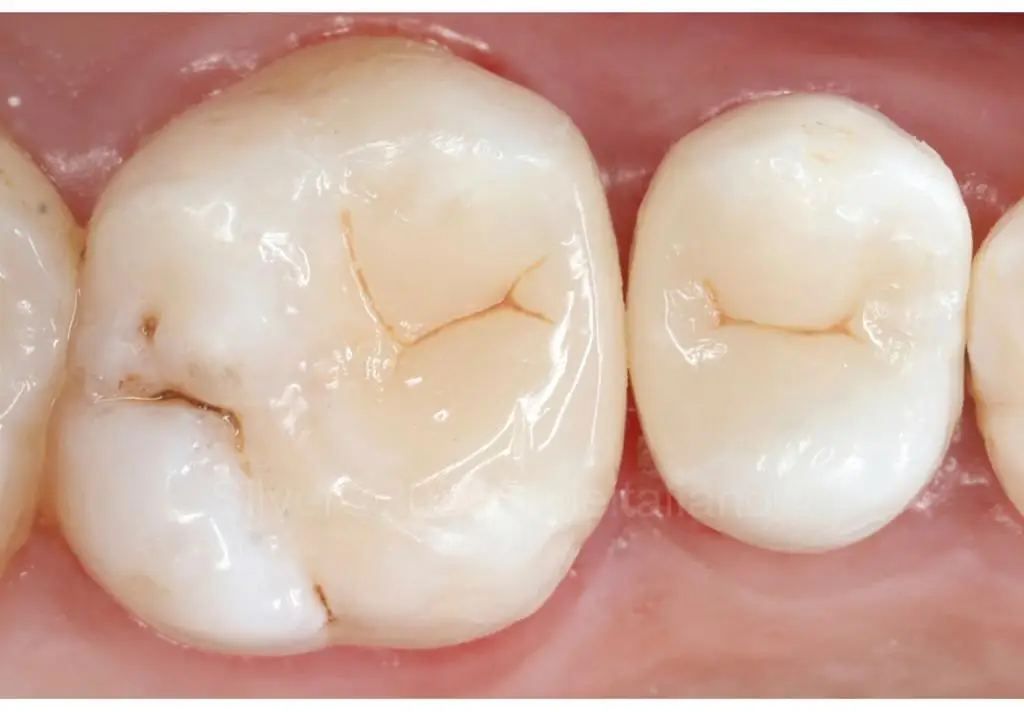
A root canal treated tooth that slowly turns grey, brown, or darker than the teeth around it is signalling that something is happening internally. Sometimes this is purely cosmetic. Sometimes it points to leakage and reinfection.
6. A Bad Taste or Discharge
Any persistent bad taste in your mouth that you cannot explain, especially one that comes from a specific area, is worth checking. Pus discharge, even in small amounts, is a clear infection sign.
7. The Tooth Feels Loose
Late-stage failure can cause the bone supporting the tooth to break down. If a treated tooth starts to feel slightly mobile, you are running out of time to save it. Get it looked at the same week.
What To Do Next: Your Treatment Options
The single most important step is to stop waiting. A failed root canal will not heal on its own, and antibiotics only quiet the symptoms temporarily. They do not fix what is happening inside the tooth.
Once you see a specialist, you typically have three paths.
Option 1: Microscopic Root Canal Retreatment
This is the first choice in the majority of cases, and it has a high success rate when performed by an endodontist using a dental operating microscope. The existing filling material is removed, every canal is re-cleaned, hidden anatomy is found and treated, and the tooth is resealed. You keep your natural tooth. No implant, no bridge, no compromise.
Option 2: Apicoectomy (Surgical Endodontics)
If retreatment through the crown is not possible, or if it has already been done and the infection persists, a small surgical procedure can be performed at the root tip. The infected tissue is removed, the root end is sealed, and healing begins. It is more involved than retreatment but still preserves the tooth.
Option 3: Extraction and Replacement
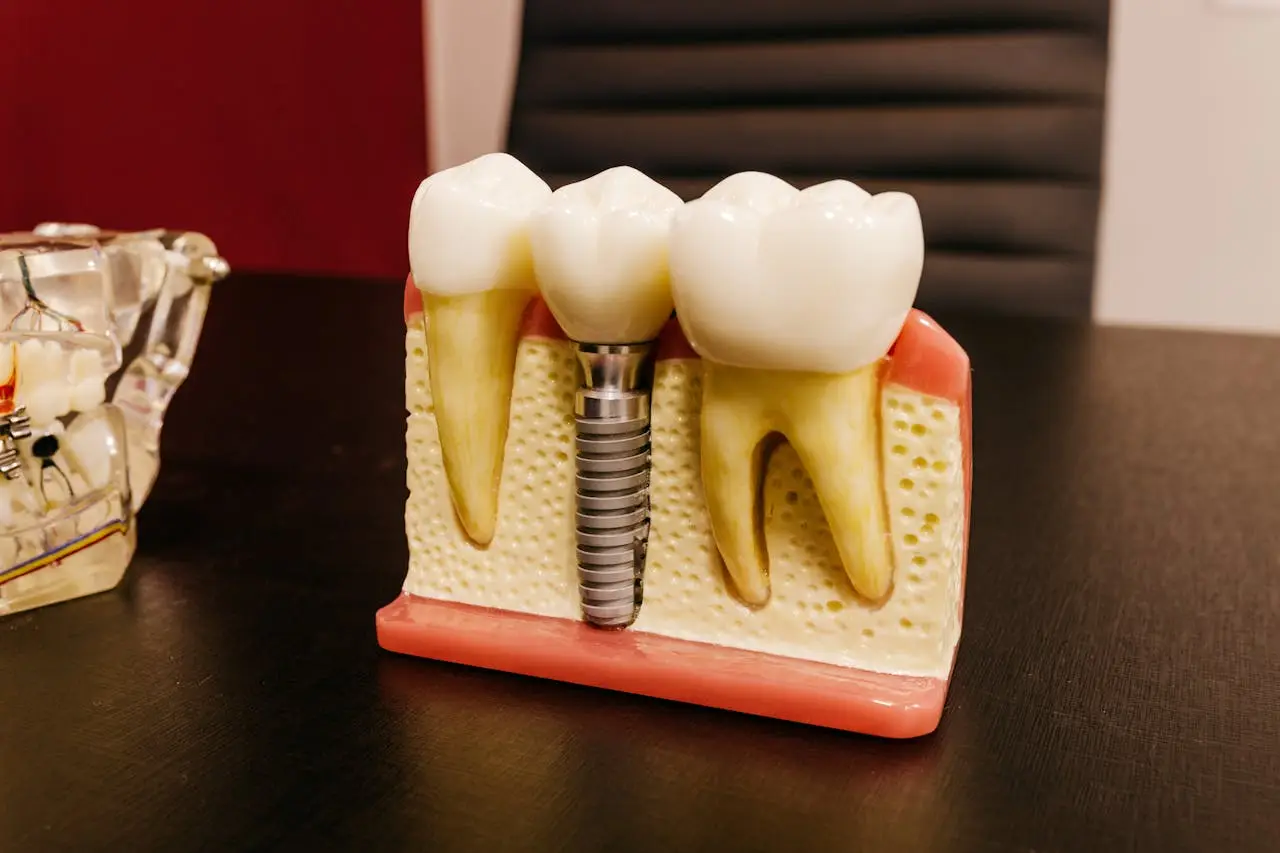
If the tooth is cracked below the gum line, or if the supporting bone is too damaged, extraction may be the right call. The space is then restored with a dental implant or bridge. This is the last resort, not the default. A good endodontist will exhaust all options to save the tooth first.
Why a Dental Microscope Matters: A Story From the Chair
Here is the most honest thing we can tell you about root canal success.
Dr. Gautam Shetty has performed over 14,000 root canals across 15 years of practice. The first 10 of those years were without a dental operating microscope. The last 5 have been with one, alongside strict rubber dam isolation, on more than 2,000 cases.
The jump in outcomes was undeniable. Today, the success rate at Redefine Dental Clinic for microscopic root canal treatment sits above 98 percent.
The microscope is not a marketing line. It is the difference between finding the fourth canal in a molar and missing it. Between sealing a hairline crack and sending the patient home with a slow leak. Between saving a tooth on the first retreatment and watching it fail a second time.
If your root canal has failed and you are considering retreatment, the question to ask is not just who will do it, but how. Magnification, isolation, and unhurried technique are what separate a 70 percent success rate from a 98 percent one.
About Dr. Gautam Shetty
Micro-endodontist with 15 years of experience and over 14,000 root canals performed. Founder of Redefine Dental Clinic in Kalyan West, Mumbai. Accepts referrals from across Kalyan, Dombivli, Ulhasnagar, Thane, and Navi Mumbai for complex retreatment, calcified canal, and surgical endodontic cases.
Frequently Asked Questions
How long does a root canal retreatment take?
Most retreatments are completed in one or two appointments, usually 60 to 90 minutes each. Complex cases with multiple canals may need a third visit.
Is retreatment more painful than the original root canal?
No. With modern anaesthesia and microscope-assisted technique, retreatment is no more uncomfortable than the original procedure. Most patients are surprised at how routine it feels.
What is the success rate of microscopic root canal retreatment?
At Redefine Dental Clinic, microscopic root canal treatment with rubber dam isolation has a success rate of over 98 percent, based on more than 2,000 cases performed in the past five years. Published research consistently shows that magnification and isolation significantly improve long-term outcomes.
Can every failed root canal be saved?
Most can. Teeth with vertical root fractures or severe bone loss are the main exceptions. A proper diagnosis with a CBCT scan and microscope examination will tell you clearly which category your tooth falls into.
How much does root canal retreatment cost in Mumbai?
Costs vary based on the tooth, the complexity of the case, and whether a new crown is needed. Retreatment is more involved than a first-time root canal, but still significantly more affordable than extraction followed by an implant. A consultation at Redefine Dental Clinic includes a detailed treatment plan and transparent pricing.
How soon should I get a failed root canal treated?
As soon as possible. Every week of delay risks more bone loss around the tooth. The earlier the retreatment, the better the outcome.
Will my insurance cover root canal retreatment?
Most dental insurance plans in India cover retreatment partially. Bring your policy details to your consultation and the clinic will help you understand what is covered.
Book Your Consultation at Redefine Dental Clinic
If any of the seven signs above sound familiar, do not wait for the pain to get worse. The best outcomes happen when failed root canals are caught early.
Redefine Dental Clinic Dr. Gautam Shetty, Micro-Endodontist 204, Zojwala Complex, Above Ramdev Hotel, Kalyan West, Mumbai Phone: +91 85919 29448 Website: redefinedentalclinic.com
Serving patients across Kalyan, Dombivli, Ulhasnagar, Thane, and Navi Mumbai.
Call today to get a clear answer on whether your tooth can be saved.
This blog is for educational purposes and does not replace an in-person dental examination. Diagnosis of a failed root canal requires clinical assessment and imaging.